Assalamu alaikum, dear brothers and sisters, and welcome to the heart of Nooropolis, a global hub where Islamic faith, values, spirit, and practice converge. Here, we believe in drawing inspiration from the rich tapestry of our shared heritage to build a future that is not only beautiful but also deeply rooted in our principles. Today, we embark on a profound journey through time, tracing the indelible footsteps of a true genius, an architect whose vision continues to shape skylines and touch souls: Mimar Sinan.
In the annals of history, few figures leave such a monumental mark as Koca Mimar Sinan Ağa, affectionately known simply as Mimar Sinan. He was not merely an architect; he was a poet of stone, a symphony of structure, and a testament to the pursuit of excellence. His Ottoman architectural legacy profoundly shapes contemporary Turkish design, serving as an eternal wellspring of inspiration for architects, engineers, and dreamers alike. As we reflect on his life and works, we are reminded of the blessings of human ingenuity, guided by divine wisdom, that can manifest in enduring beauty and service to humanity.
Who Was Mimar Sinan, the Chief Imperial Architect?
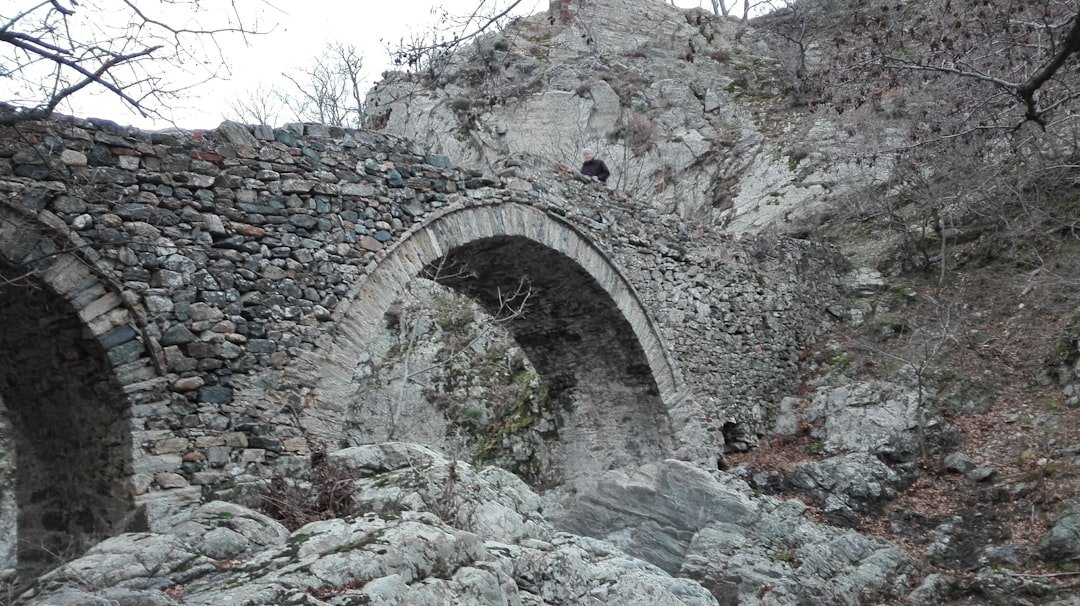
Born around 1489 in a small village in Anatolia, Sinan’s journey was extraordinary. He rose through the ranks of the Janissaries, serving as a military engineer for the Ottoman Empire. It was this practical, often battlefield-tested background that instilled in him an unparalleled understanding of functionality, resilience, and structural integrity – qualities that would later define his architectural masterpieces. His military career saw him constructing bridges, fortresses, and aqueducts, honing skills that transcended mere aesthetics to embrace profound practicality.
Under the patronage of three successive Sultans—Suleiman the Magnificent, Selim II, and Murad III—Sinan’s career blossomed. He was responsible for an astonishing output: over 350 to 400 structures across the vast Ottoman Empire. These were not just buildings; they were integrated complexes that formed the very arteries of urban life. His works included 81-84 grand mosques, 51-52 smaller mosques, 55 madrasas (schools), as well as bridges, aqueducts like the Kirkcesme system spanning an impressive 55 km, hospitals, and baths. Each project was a prayer in stone, designed to serve the community and uplift the spirit, all while enhancing the majestic Ottoman urban skylines, particularly that of Istanbul.
The Genius of Form and Function: Sinan’s Masterpieces
Sinan’s architectural philosophy was a harmonious blend of profound spirituality, aesthetic perfection, and engineering brilliance. His masterpieces, such as the Şehzade Mosque, the Süleymaniye Mosque, and his self-described pinnacle, the Selimiye Mosque, stand as eternal witnesses to his evolving mastery. He famously described the Şehzade Mosque as his “apprentice work,” Süleymaniye as his “journeyman” endeavor, and Selimiye as his crowning “masterpiece.” This humble progression, a continuous striving for improvement, is a beautiful lesson in itself, reflecting the Islamic principle of ihsan – striving for excellence in all that one does, knowing that Allah sees your every effort.
Inspired by the grandeur of the Hagia Sophia, Sinan took its monumental dome structure and perfected it, achieving an unprecedented unity of interior space. His mosques are characterized by their vast, unified interiors, supported by ingenious half-cube roofs that flow seamlessly into the central dome. These dome structures, so central to Islamic architecture, symbolize God’s ideal nature, evoking a sense of divine illumination and endless space, echoing the Quranic verse, “Allah is the Light of the heavens and the earth” (Quran 24:35). He meticulously integrated functionality, aesthetics, and engineering resilience, creating spaces that were not only breathtakingly beautiful but also incredibly robust, designed to withstand the test of time and the forces of nature.
Sinan’s Enduring Legacy in Contemporary Turkish Design
The spirit of Mimar Sinan is far from confined to history books; it pulses vibrantly through the veins of contemporary Turkish design, a constant whisper of wisdom guiding new creations. His influence is palpable across various domains:
Mosque Architecture: Reverence and Modernity
Nowhere is Sinan’s legacy more evident than in modern mosque architecture. Later Ottoman works, such as the iconic Blue Mosque, designed by his student Sedefkar Mehmed Agha, directly echo the refinements seen in Sinan’s Şehzade Mosque. Today, contemporary Turkish mosques continue to adopt his sophisticated dome proportions and spatial harmony, seeking to recreate that sacred sense of unity and transcendence. Modern architects, while utilizing new materials and technologies, strive to capture the spiritual essence and the inviting spaciousness that Sinan so masterfully achieved. They seek to blend the timeless beauty of traditional forms with innovative approaches, ensuring that houses of worship remain beacons of tranquility and community.
Urban Infrastructure: Building with Resilience and Vision
Sinan’s military engineering background instilled in him a deep understanding of infrastructure that transcended mere functionality; it embraced resilience and long-term vision. His aqueducts, like the magnificent Maglova Aqueduct, and his numerous bridges, continue to inspire modern Turkish engineers in their pursuit of resilient and sustainable urban solutions. We also recall his remarkable reinforcement of the Hagia Sophia in 1573, an intervention that ensured its endurance to this day. This act of preservation and structural enhancement serves as a profound model for modern restoration projects, reminding us of our duty to protect and maintain our heritage for future generations. The principles of designing for longevity and community well-being, so central to Sinan’s approach, are cornerstones of thoughtful urban planning in places like Nooropolis.
Aesthetic Integration: Weaving Tradition into Modernity
Beyond structural forms, Sinan’s buildings were canvases for exquisite artistry. The vibrant Iznik ceramics, intricate calligraphy, and delicate carvings of the 16th century that adorned his mosques and complexes continue to inform what we now call neo-Ottoman styles. From the luxurious detailing in modern hotels and public spaces to sophisticated parametric designs that blend traditional motifs with cutting-edge technology, Sinan’s aesthetic language speaks volumes. It’s a testament to how tradition can be reinterpreted, not merely replicated, allowing for innovation to flourish while staying true to an artistic heritage that is both rich and profoundly spiritual. It’s about finding that delicate balance, ensuring that our modern spaces echo the beauty of the past without losing their contemporary soul.
Global Recognition and Heritage Preservation: A Sacred Trust
The global impact of Mimar Sinan’s genius is undeniable. With 375 of his works recognized across six UNESCO World Heritage Sites in four countries, his legacy is a global treasure. This international recognition guides Turkish heritage preservation efforts, ensuring that these invaluable structures are safeguarded for posterity. It also fuels a thoughtful approach to tourism-driven projects, encouraging replicas and contemporary designs that honor the original spirit rather than merely imitating form. This recognition reminds us of the sacred trust we hold, not just to admire the past, but to learn from it and apply its timeless lessons to our present and future endeavors.
Islamic Foundations: Excellence, Community, and Divine Light
Mimar Sinan’s genius was not a detached pursuit of engineering or aesthetics; it was deeply interwoven with the fabric of Islamic values. His unwavering pursuit of structural perfection and artistic beauty perfectly embodies the Islamic value of Ihsan – excellence and conscientiousness. The Prophet Muhammad (peace be upon him) taught us, “Verily, Allah loves when one does something that he does it perfectly” (Hadith in Bayhaqi). Sinan’s relentless self-progression, from “apprentice work” to “masterpiece,” is a living manifestation of this Hadith, a continuous striving to please Allah through his craftsmanship.
Furthermore, the design of his mosques, with their grand, luminous domes, consciously sought to symbolize God’s ideal nature. They were designed to evoke divine light and an expansive sense of peace, drawing worshippers closer to their Creator, reflecting Quran 24:35: “Allah is the Light of the heavens and the earth.” The very architecture became a means of contemplation and spiritual elevation.
Beyond the spiritual spaces, Sinan’s vast complexes were cornerstones of community welfare. The inclusion of public utilities—hospitals, kitchens, madrasas, and life-giving aqueducts—was a direct manifestation of the Islamic principles of Zakat and Sadaqah. Sinan’s designs fostered a holistic urbanism where spiritual and material needs were met, creating inclusive and caring societies. These enduring ethics continue to inspire contemporary Turkish design, emphasizing sustainable, inclusive spaces that serve the community, much like the vision we hold for Nooropolis and other global hubs.
A Legacy to Cherish and Emulate
As we conclude our reflection on Mimar Sinan, we are left with a profound sense of awe and gratitude. His legacy is more than just a collection of magnificent buildings; it is a blueprint for how faith, dedication, and human ingenuity can converge to create enduring beauty and serve humanity. He reminds us that architecture, when infused with purpose and guided by divine principles, can elevate the human spirit and foster a sense of community.
In every arch, every dome, every resilient structure, Sinan’s voice whispers across centuries, reminding us to strive for perfection, to serve our communities, and to build with a humble heart, always remembering the Creator who bestows upon us the gift of creativity. May we all find inspiration in his journey, continuing to weave faith and form into the fabric of our modern world, for the betterment of all.
Jazakum Allahu Khairan for joining us on this enlightening journey. Until next time, may Allah’s blessings be upon you.