In the symphony of life, where the external world often clamors for our attention, there exists an unspoken yearning for a sanctuary—a place where the soul finds repose, where whispers of peace replace the roar of daily demands. For us in Nooropolis, this sanctuary is not merely a structure of bricks and mortar, but a living testament to faith, a space imbued with intention and elevated by timeless values. Today, we turn our gaze inward, towards the very heart of our existence: our homes. How do we design these intimate spaces to reflect the profound Islamic principle of haya – modesty, dignity, and a conscientious sense of self-respect?
As Editor-in-Chief, I often contemplate how our modern lives can beautifully intertwine with the wisdom of our traditions. The concept of haya is one such radiant thread, extending far beyond personal conduct to encompass the very architecture of our domestic lives. It is an invitation to craft environments that protect the sanctity of family, foster spiritual tranquility, and reflect a humility that enriches both the individual and the community.
Beyond Walls: Unpacking Haya in the Home

Haya, often translated as modesty or shyness, is in essence a delicate sensitivity of the soul – a profound sense of consciousness that deters indecency and encourages grace. It is a virtue deeply cherished in Islam, described by our beloved Prophet Muhammad (peace be upon him) as the very "trait of Islam" and "part of faith." This is not a virtue of restriction, but of protection; it safeguards dignity, encourages introspection, and cultivates an inner peace.
When applied to our homes, haya transcends mere aesthetic preference. It becomes a design philosophy that champions privacy, humility, and discretion. It encourages us to think about how our physical spaces can either nourish or detract from our spiritual well-being, how they can either expose or protect the intimate moments of family life. A home designed with haya in mind is a vessel for barakah – divine blessings – where every design choice is an act of worship, guided by sincere intention (niyyah).
Foundational Principles: Echoes from the Quran and Sunnah
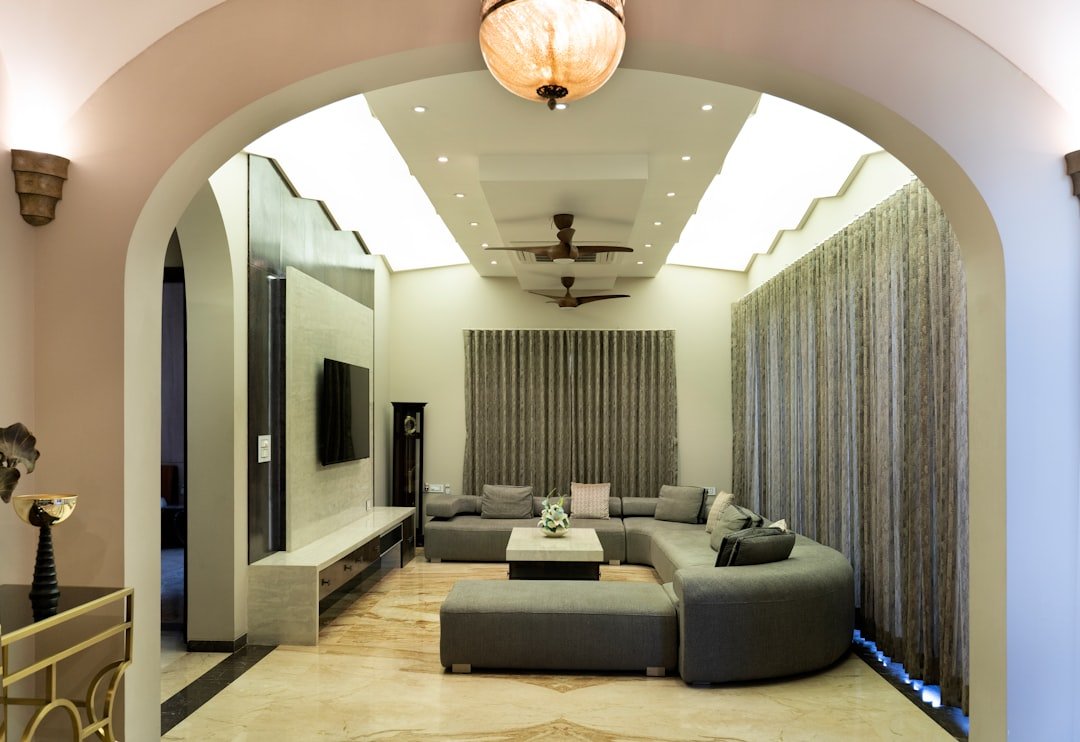
The roots of haya in home design are deeply embedded in Islamic revelation and prophetic tradition. The Quran, in Surah Al-A’raf (7:26), reminds us: "O children of Adam, We have bestowed upon you clothing to conceal your private parts and as adornment. But the clothing of righteousness is best." While directly addressing physical attire, this verse subtly extends to our environments. Just as we are encouraged to cover our bodies, our homes, too, should "clothe" our private lives, offering a sanctuary that shields the intimate moments of family from undue external gaze.
The Prophet Muhammad (PBUH) himself exemplified the essence of haya in his simple yet dignified living space. His home, constructed with local materials and furnished minimally, served as a powerful blueprint for modesty. It was a place of deep spiritual focus, devoid of extravagance or ostentation, perfectly embodying the ideal of a humble abode that prioritizes peace and piety over worldly display.
Crafting Sanctuary: The Pillars of Haya-Inspired Design
Translating these profound principles into tangible design elements allows us to create homes that are both functional and spiritually uplifting. It’s about thoughtful integration, not rigid adherence, ensuring our spaces resonate with our faith while embracing the comforts of modern living.
The Art of Discreet Entry and Spatial Zoning
- Bent-Axis Entries and Vestibules: Instead of a direct line of sight from the front door into the main living areas, a bent-axis entry or a discreet vestibule acts as a visual buffer. This architectural "bend" prevents visitors from inadvertently glimpsing into the heart of the home, thereby safeguarding family privacy and ensuring a sense of security.
- Courtyards as Central Hubs: In many traditional Islamic homes, a central courtyard serves as a semi-private heart, linking different wings of the house while maintaining a sense of separation. It allows light and air to penetrate deeply into the home, fostering a connection with nature, all while remaining shielded from external view.
- Thoughtful Spatial Zoning: Dividing internal spaces into distinct zones – for male guests, female guests, family living, and service areas – is paramount. This ensures that different interactions can occur harmoniously without encroaching on the privacy of others, offering comfort and dignity to all occupants and visitors.
Humility in Materials and Anti-Extravagance
- Locally Sourced and Sustainable Materials: Prioritizing local woods, stone, and other natural resources is not only environmentally conscious but also reflects a humility that values community resources over imported luxury. It grounds the home in its unique regional context, echoing the Prophet’s simple abode.
- Avoiding Excessive Displays: The exterior of a home, especially, should not be a canvas for excessive spending or a blatant display of wealth. This principle fosters neighborhood equity, preventing feelings of envy or discomfort among neighbors. The true beauty of a home, inspired by haya, lies in its warmth, functionality, and the peace it cultivates within, not in its outward show.
Embellishment with Purpose: Non-Idolatrous Decor
- Geometric and Floral Patterns: Islamic art is renowned for its intricate geometric patterns and delicate floral motifs. These designs, reflecting the infinite order of creation, offer visual complexity and beauty without depicting sentient beings, thus avoiding any hint of idolatry. They draw the eye and the mind towards contemplation of divine artistry.
- Islamic Calligraphy: Adorning walls with beautifully rendered Quranic verses or phrases of remembrance (dhikr) transforms a space into a constant reminder of faith. These visual prayers elevate the ambiance, inviting reflection and a sense of divine presence.
- Simple, Functional Furnishings: Rather than cluttering spaces with numerous ornate objects, a haya-inspired home favors a few well-chosen, functional pieces. Quality rugs, natural fabrics, and comfortable seating arrangements create an inviting atmosphere, emphasizing comfort and practicality over superfluous decoration. Statues of humans or animals, gold, and excessively ornate items are generally eschewed to maintain focus on spiritual purity and humility.
Light, Space, and Functional Discretion
- Natural Light for Serenity: Harnessing natural light is vital. Large windows, skylights, and strategically placed openings invite the invigorating energy of the sun, illuminating spaces and fostering a sense of openness and tranquility.
- Open, Uncluttered Spaces: A hallmark of haya-inspired design is an emphasis on open, uncluttered areas. These spaces promote a sense of calm, facilitate movement, and provide ample room for prayer, family gatherings, and quiet contemplation, free from visual noise.
- Mashrabiya Screens: These exquisite latticework screens, often made of wood, are perfect examples of functional discretion. They allow for veiled views, permitting residents to observe the outside world while maintaining privacy within. They also beautifully diffuse sunlight, creating captivating patterns of light and shadow, and facilitating natural ventilation.
- Living Greenery: Integrating indoor plants connects the home with nature, purifying the air and adding a touch of vibrant life. They contribute to a serene atmosphere, echoing the gardens of Paradise and enhancing the sense of peace.
Beyond the Walls: Hospitality and Community
The principle of haya in home design does not negate the equally important Islamic value of hospitality. In fact, it harmonizes with it beautifully. A haya-inspired home thoughtfully incorporates designated guest areas that are distinct from the private family zones. This allows hosts to honor their visitors with warmth and generosity without compromising the family’s intimacy and privacy. It is a testament to the wisdom of Islamic design that it can cater to both internal sanctity and external welcome, making every guest feel honored and every family member feel secure.
Furthermore, the adaptability of these principles across diverse cultures – from the simple rugs of Malay homes to the intricate courtyards of Moroccan riads – demonstrates their universal resonance and timeless practicality. Each regional expression adapts the core values of haya within its unique context, proving that modesty in design is not a rigid formula, but a flexible framework for creating truly blessed homes.
The Niyyah Behind the Design: Intention as Foundation
Ultimately, the true beauty of a haya-inspired home lies not just in its visible elements, but in the intention that underpins every choice. When we design our homes with the conscious aim of creating a sanctuary that reflects modesty, humility, and dignity, we transform mere structures into living spaces of worship. These homes become conduits for barakah, nurturing our spirits, protecting our families, and grounding us in our faith.
In Nooropolis, we believe that our homes are extensions of ourselves, reflections of our deepest values. By consciously weaving the threads of haya into the fabric of our living spaces, we create not just houses, but havens – places where peace resides, where dignity is cherished, and where the soul finds its truest comfort. May our homes ever be sources of serenity and blessings, guiding us towards a life lived in mindful gratitude and devotion.