Imagine a bustling marketplace, not of a single era or geography, but one where the aroma of sizzling fajitas mingles with the delicate steam of dumplings, and the sweet scent of baklava dances alongside mango lassi. This is not a fanciful dream but a living, breathing reality – a culinary landscape rapidly unfolding across our interconnected world. It is the landscape of the Global Halal Plate, a vibrant tableau where the principles of Islamic dietary law meet the boundless creativity of human cuisine. Here in Nooropolis, a city that embodies the harmonious blend of tradition and modernity, we often reflect on how our faith enriches every facet of life, including the very food we share. And what better way to explore this than through the fascinating phenomenon of halal fusion?
The Essence of Halal: More Than Just ‘Permissible’
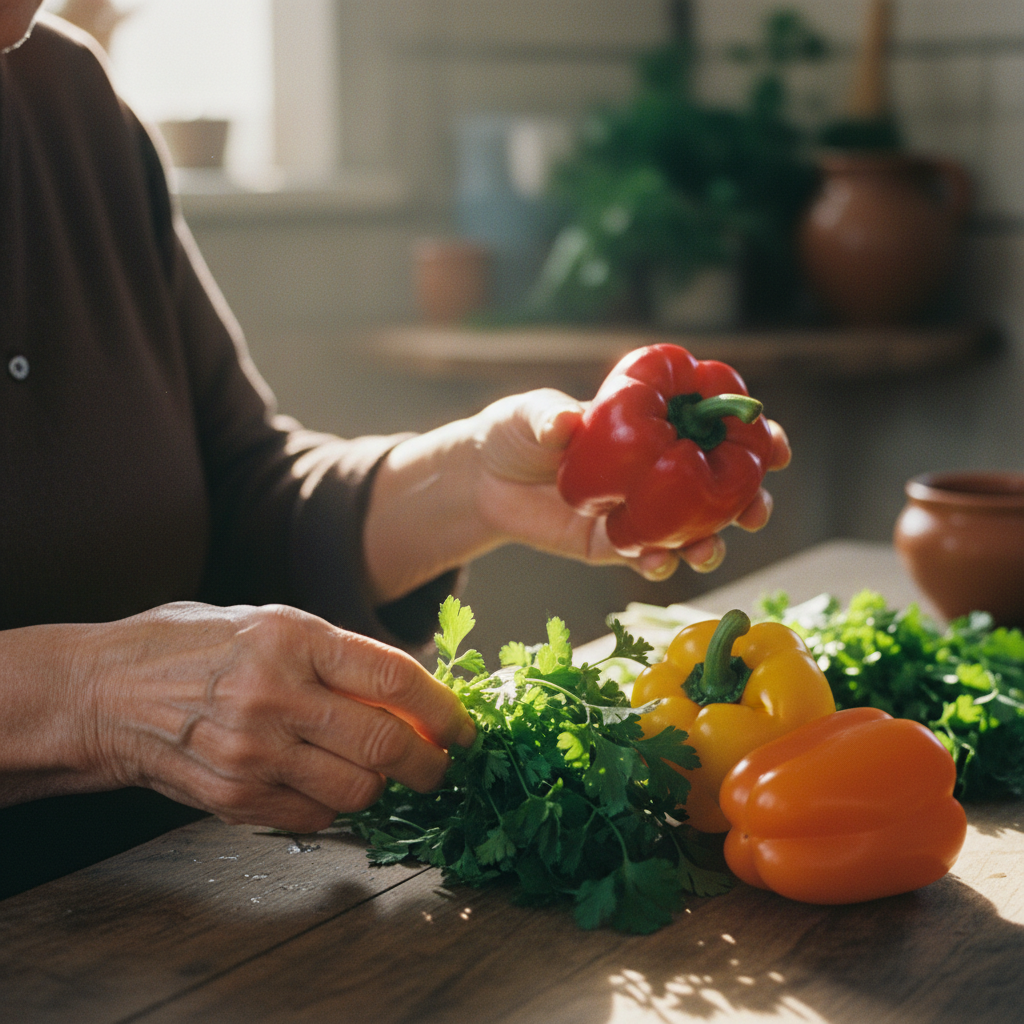
At its heart, halal is often understood simply as ‘permissible’ – a set of rules dictating what can and cannot be consumed. Yet, this understanding, while foundational, barely scratches the surface. For us, halal is a comprehensive ethical framework that permeates not only the ingredients but also the preparation, the intention, and even the shared experience of eating. It begins with clear divine guidance:
- “He has only forbidden you carrion, blood, the flesh of swine, and that which has been dedicated to other than Allah…” (Qur’an 2:173; 5:3).
These verses establish the immutable boundaries. But then, the Qur’an expands our horizon, encouraging a broader perspective:
- “Today all good foods have been made lawful for you. The food of those who were given the Scripture is lawful for you, and your food is lawful for them…” (Qur’an 5:5).
This verse, often pondered, opens the door to a world of culinary exchange. It underscores that halal is not exclusive to a particular culture or cuisine; it is a set of universal criteria. Any dish, from any corner of the globe, can be ‘halal-ized’ if it adheres to these fundamental principles. Furthermore, the concept of ‘tayyib’ – wholesome, pure, good – elevates the standard beyond mere permissibility. “O mankind, eat of what is halal and tayyib (lawful and wholesome) on the earth…” (Qur’an 2:168). This principle extends to ethical sourcing, cleanliness, and avoiding harm, reminding us that Allah “is pure and accepts only what is pure” (Sahih Muslim).
A Legacy of Fusion: The Inherently Global Halal Kitchen
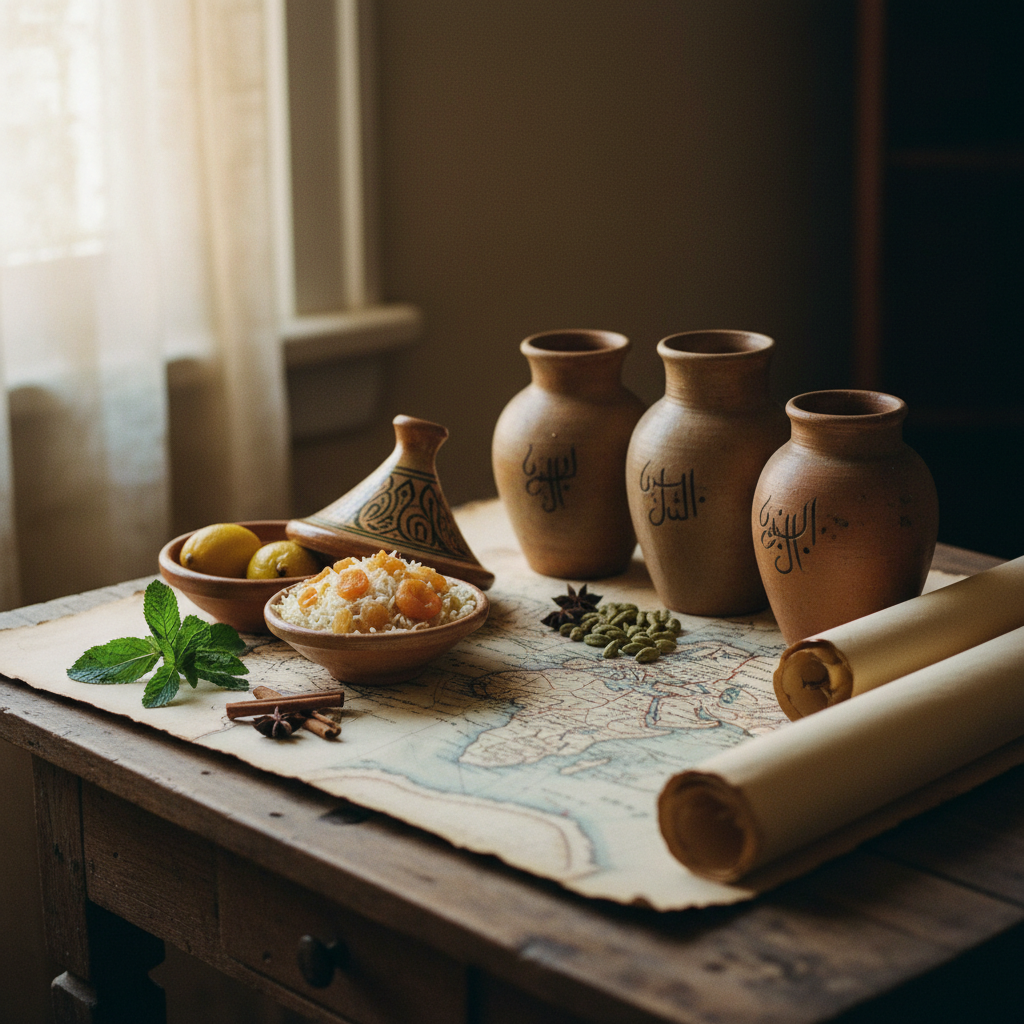
To speak of ‘halal fusion’ might imply a novel concept, yet many of what we consider ‘traditional’ Muslim cuisines are, in fact, historical fusions. Think of the intricate flavors of Ottoman cuisine, weaving together Central Asian, Middle Eastern, and Balkan influences. Or the majestic Mughal culinary traditions, born from a sublime marriage of Persian and Indian palates. The Spice Routes, the Silk Roads, the great migrations – these were not just pathways for goods, but conduits for culinary ideas, for recipes, for techniques. Malaysian nasi lemak, Turkish doner, Moroccan couscous, South African bobotie – each is a testament to centuries of cultural exchange, adapted and embraced within a halal framework. This rich heritage demonstrates that ‘The Global Halal Plate’ is not an invention but an evolution, a natural extension of an already dynamic culinary tradition.
The Sizzling Spice of Halal Tex-Mex
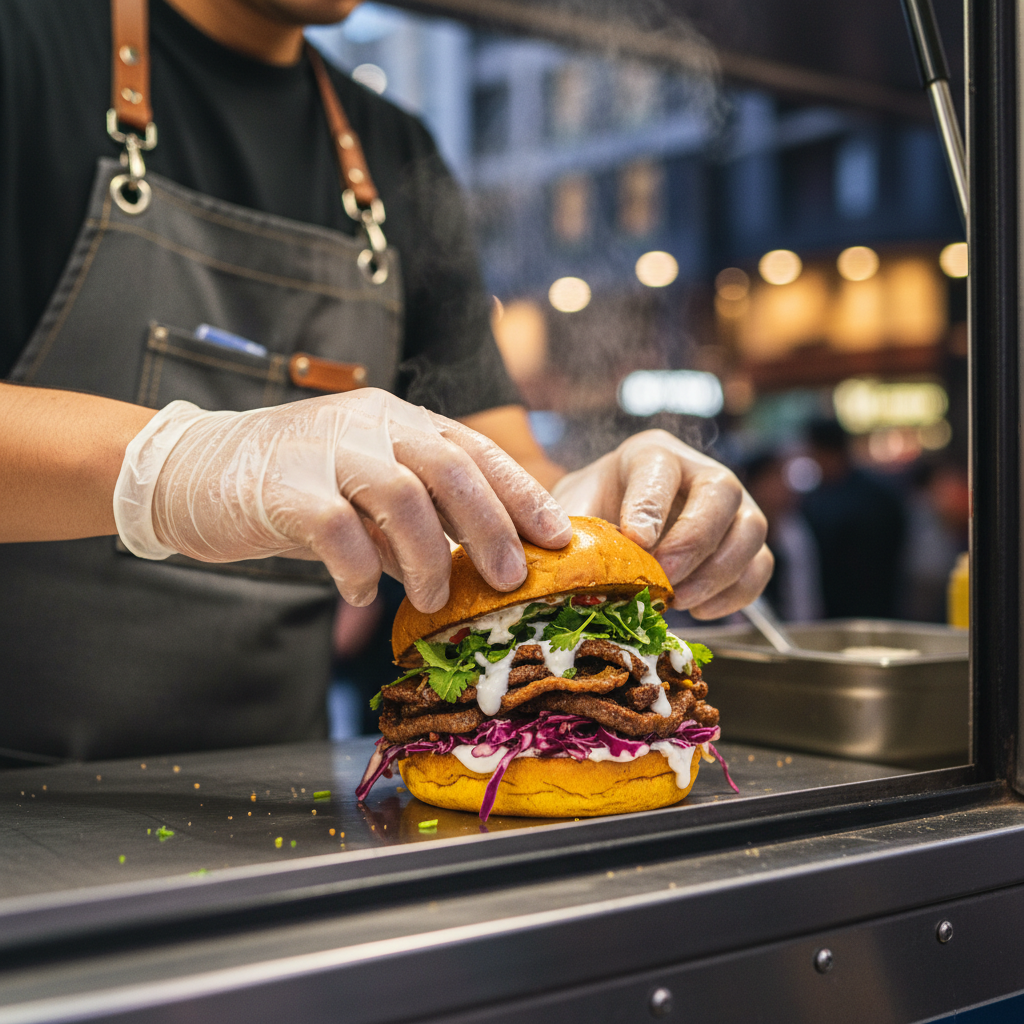
One of the most exciting manifestations of this contemporary fusion is ‘Mexican-Halal’ or ‘Halal Tex-Mex.’ Consider the beloved taco: a simple tortilla embracing a universe of flavors. Traditionally, al pastor tacos might feature pork, and refried beans often contain lard. But with halal fusion, the essence remains while the ingredients adapt. Here, pork is respectfully replaced with succulent, halal-certified beef, chicken, or lamb. Lard makes way for wholesome vegetable oils or clarified butter. Tequila or beer, sometimes used in marinades, are substituted with vibrant citrus, fragrant vinegars, or other alcohol-free flavor enhancers. The result? A halal carne asada taco, marinated in lime, garlic, cumin, and chili, served on a warm corn tortilla with fresh salsa and cilantro – an authentic explosion of flavor, fully compliant with Islamic dietary laws. This adaptation is not about appropriation but about appreciation and participation, allowing Muslim communities to partake in global culinary delights while affirming their identity. For Latino Muslims, in particular, halalized versions of their ancestral dishes become powerful symbols of belonging, bridging two cherished facets of their heritage.
The Delicate Craft of Halal Dim Sum
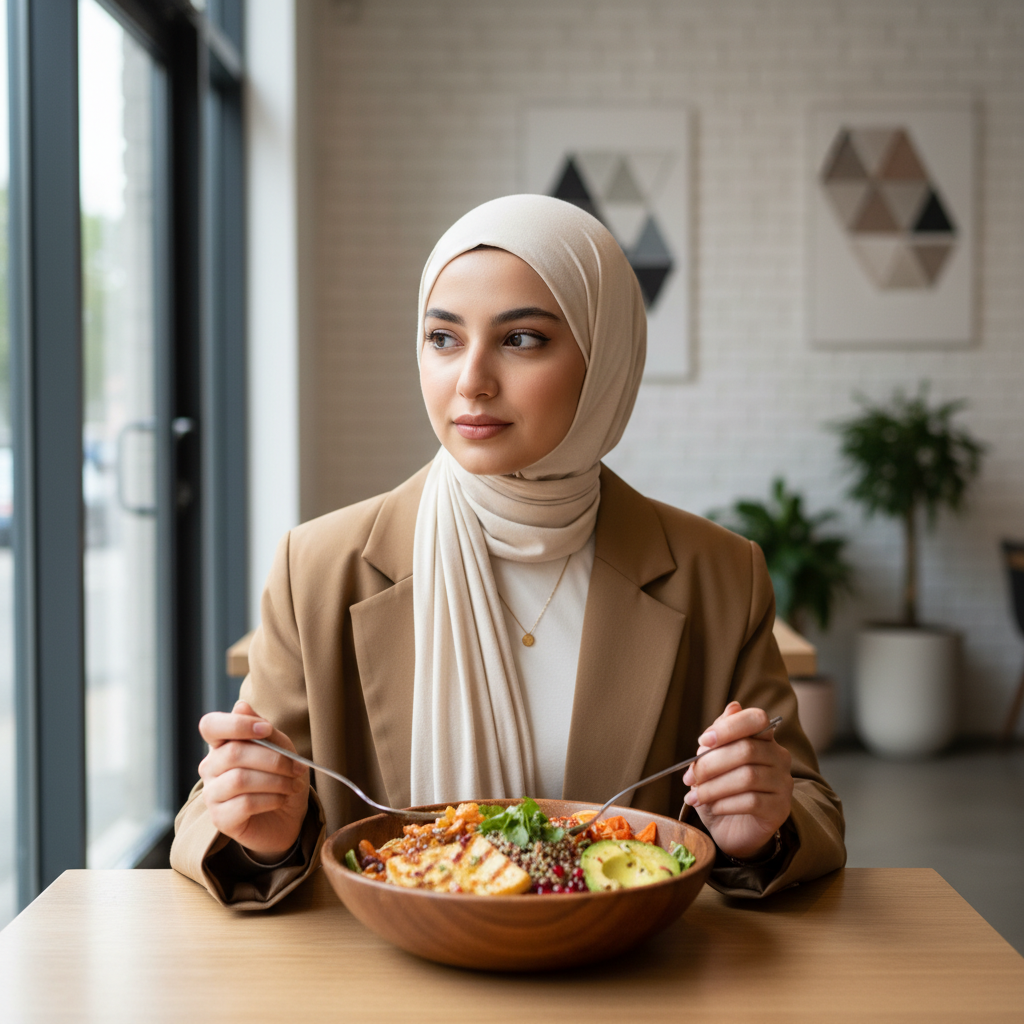
Equally compelling is the emergence of ‘Halal Dim Sum.’ The delicate, intricate world of Chinese dim sum, with its steamed buns and dumplings, often presents a challenge due to the frequent use of pork, non-halal fats, cooking wines, and gelatin. Yet, the principle that “The default ruling on foods is permissibility, unless there is a clear, shar‘i reason for prohibition” (Qur’an 6:119) provides the guidance. This means dim sum itself is not inherently haram; only specific components need replacement. So, the skilled halal chef replaces pork with halal chicken, beef, lamb, or delectable seafood. Lard is replaced with halal vegetable oils. Shaoxing rice wine yields to carefully selected vinegars, fermented bean pastes, or other ingredients that provide depth without alcohol. Gelatin is exchanged for plant-based alternatives or halal-certified bovine varieties. The outcome is a menu featuring exquisite prawn har gow, tender beef siu mai, and flavorful vegetable dumplings, all crafted with integrity and respect for halal standards. This endeavor is deeply rooted in the traditions of Chinese Muslim communities, such as the Hui, who have for centuries adapted mainstream Chinese cuisine to their faith. It is a testament to the Qur’anic encouragement to enjoy the ‘zînah’ (adornments) and good provisions of life (Qur’an 7:32), without compromising on sacred limits.
Halal Fusion: A Modern American and Global Phenomenon
Beyond specific cuisines, halal fusion has become a significant trend, particularly in Western societies with diverse Muslim populations. In the United States, for instance, American halal cuisine is witnessing a surge in innovative dishes: shawarma tacos, biryani-inspired fried chicken, gourmet halal burgers with South Asian spices, and even Korean-Mexican-Halal combos featuring bulgogi beef and halal turkey bacon. Food trucks and street vendors have been instrumental in popularizing these creative offerings, making halal food accessible and exciting to both Muslim and non-Muslim patrons. This trend positions halal meat not merely as a dietary requirement but as a ‘bridge ingredient,’ enabling Muslims to safely and joyfully engage with an ever-expanding spectrum of global flavors – from East African stews to Southeast Asian satays.
Beyond the Plate: Ethics and Identity in a Hybrid World
The Global Halal Plate is more than a culinary trend; it is a rich tapestry woven with jurisprudential, ethical, and sociological threads. From a fiqh perspective, it challenges scholars and certification bodies to define and ‘police’ halal boundaries in increasingly complex, hybrid settings. Sociologically, halal fusion creates ‘third spaces’ for Muslim minorities – places where they can be both authentically Muslim and seamlessly integrated into broader cultural landscapes. A young Muslim choosing a halal Tex-Mex burrito bowl is not just eating; they are navigating and expressing their multifaceted identity in a world that often demands singularity. Ethically, the pursuit of halal fusion is an opportunity to deepen our commitment to ‘tayyib’ – extending to animal welfare, environmental impact, and the overall healthfulness of our food choices. It prompts us to critique ‘halal junk fusion’ that might prioritize commercial appeal over prophetic moderation, reminding us of the wisdom in the Hadith: “The son of Adam fills no vessel worse than his stomach…” (Tirmidhi). The ethical principle of ‘amanah’ (trust) also comes into play, demanding transparency and honesty in sourcing and labeling, for “Whoever deceives us is not of us” (Sahih Muslim).
A Feast for the Soul
The Global Halal Plate is a testament to the adaptability and richness of Islamic faith. It is a vibrant expression of ‘ta‘āruf’ – the Qur’anic injunction to “know one another” (Qur’an 49:13) – manifested through shared meals and mutual understanding. It celebrates the diversity of creation, reminding us that “of His signs is the creation of the heavens and the earth and the diversity of your languages and your colors” (Qur’an 30:22). As we look to the future, the global halal kitchen promises to continue its delicious evolution, offering a feast not only for our palates but for our souls – a truly excellent (ihsān) endeavor in every bite.