To journey through life with purpose and conviction, to truly embody the ideals we hold sacred, requires a harmonious integration of our inner and outer worlds. We often speak of the strength of spirit, the clarity of mind, and the purity of heart – indeed, these are the very cornerstones of a Muslim’s existence. Yet, in our earnest pursuit of spiritual enlightenment and intellectual growth, do we adequately tend to the vessel that carries these precious attributes? In Nooropolis, a city built upon the principles of Islamic excellence and modern dynamism, we understand that true progress, both personal and communal, blossoms from a holistic commitment to well-being. This commitment encompasses not just our spiritual striving, but critically, our physical vitality.
For too long, a false dichotomy has persisted, suggesting that spiritual devotion exists somehow separate from, or even in opposition to, robust physical health. But Islam, in its pristine wisdom, offers a far more integrated vision. It teaches us that our bodies are an amanah, a sacred trust from Allah (SWT), and that their well-being is intrinsically linked to our capacity for worship, service, and ultimately, our success in this world and the Hereafter. It is within this profound understanding that the importance of active sports, balanced diet, meticulous nutrition, and a healthy lifestyle for our young Muslims truly shines.
The Divine Mandate for Holistic Strength: Body as Amanah
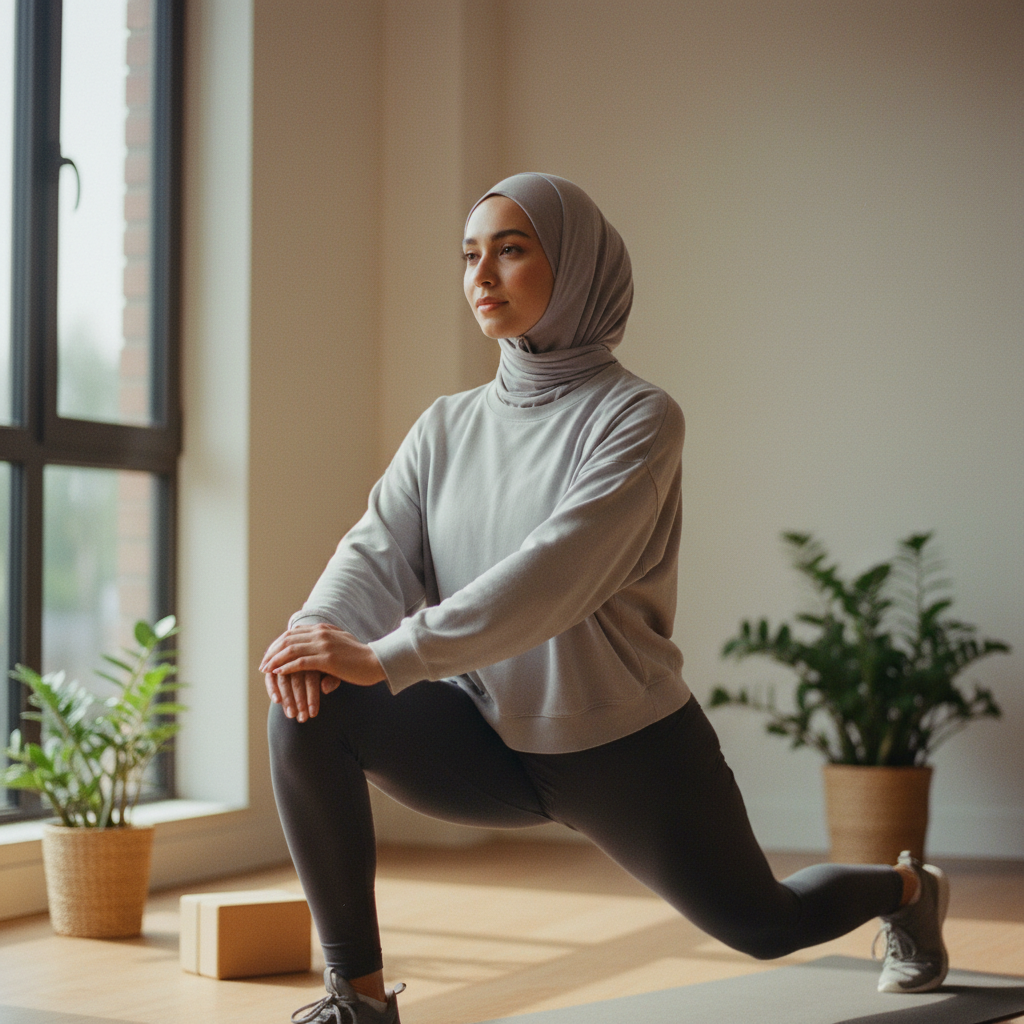
The foundation of our discussion rests upon a profound teaching from the Prophet Muhammad (peace be upon him): "The strong believer is better and more beloved to Allah than the weak one, while good exists in both" (Sahih Muslim, Kitab al-Qadr, Hadith 2664). This isn’t merely a statement on physical might; it speaks to a comprehensive strength – resilience in faith, steadfastness in character, and vigor in action. The strength it extols is that which empowers an individual to fulfill their purpose, to stand firm against challenges, and to serve their Creator and His creation with utmost dedication.
Our bodies, as mentioned, are an amanah. This trust necessitates mindful stewardship. The Prophet (PBUH) further articulated this right, stating: "Your body has a right over you" (Sahih al-Bukhari). This right implies a duty to nourish it, strengthen it, and protect it from harm. For young Muslims, this means embracing habits that enhance physical vitality, enabling them to better engage in worship (ibadah), community service (khidmah), attain self-sufficiency, and cultivate resilience in their spiritual jihad – the internal struggle to live righteously. A healthy body, far from being a distraction, becomes a powerful instrument for higher aims, allowing for sustained focus in prayer, endurance during Hajj, and unwavering energy in spreading the message of Islam (da’wah).
Prophetic Blueprint for Physical Excellence

The life of Prophet Muhammad (PBUH) serves as the ultimate exemplar of holistic living, blending profound spirituality with an active, vigorous lifestyle. He not only encouraged physical fitness but actively participated in activities that built strength, agility, and discipline, demonstrating their direct benefit to fulfilling religious duties:
- Walking and Racing: The Prophet (PBUH) was known to walk frequently, traversing distances with purpose. His famous race with his beloved wife, Hazrat Aisha (RA), recorded in Sunan Abi Dawud (Kitab al-Jihad, Hadith 2578), highlights not just his physical prowess but also his joyful and engaging personality. He also climbed mountains like Jabal an-Noor, an act that undoubtedly fostered endurance and resilience – qualities essential for life’s many "travels" and challenges (Sahih al-Bukhari, Kitab ar-Riqaq, Hadith 6416). Such activities build sustained energy and stamina, invaluable for any endeavor, spiritual or worldly.
- Martial Arts and Essential Skills: The Prophet (PBUH) specifically encouraged skills that were vital for self-defense, community protection, and readiness. He advised: "Teach your children swimming, archery, and horseback riding" (Sunan an-Nasa’i, Kitab az-Zakat, Hadith 2584). Of archery, he declared: "Strength is in archery" (Riyad as-Salihin, Kitab al-Jihad, Hadith 1332). These are not mere pastimes; they are disciplines that cultivate focus, precision, strength, and courage. The Prophet’s own defeat of the wrestler Rukana further underscores the value placed on physical strength and skill. Today, these timeless lessons translate into modern sports such as karate, martial arts, or weight training, all of which build discipline, self-defense capabilities, and physical power. These activities are critical for building resilience and for readiness in a world that necessitates strength for both peaceful propagation of Islam and, when necessary, for defense, ultimately preventing one from becoming a burden on society.
- Prayer as Exercise: Beyond specific sports, the daily ritual of salat (prayer) is itself a profound form of physical activity. The various postures – standing (qiyam), bowing (ruku‘), prostration (sujud), and sitting – collectively provide inherent exercise. They improve circulation, enhance flexibility, aid digestion, and strengthen core muscles. The regular, disciplined performance of salat five times a day offers a baseline of physical movement that supports overall health. It is a beautiful synergy where worship inherently nurtures the body.
Sustaining the Vessel: Diet, Nutrition, and Lifestyle
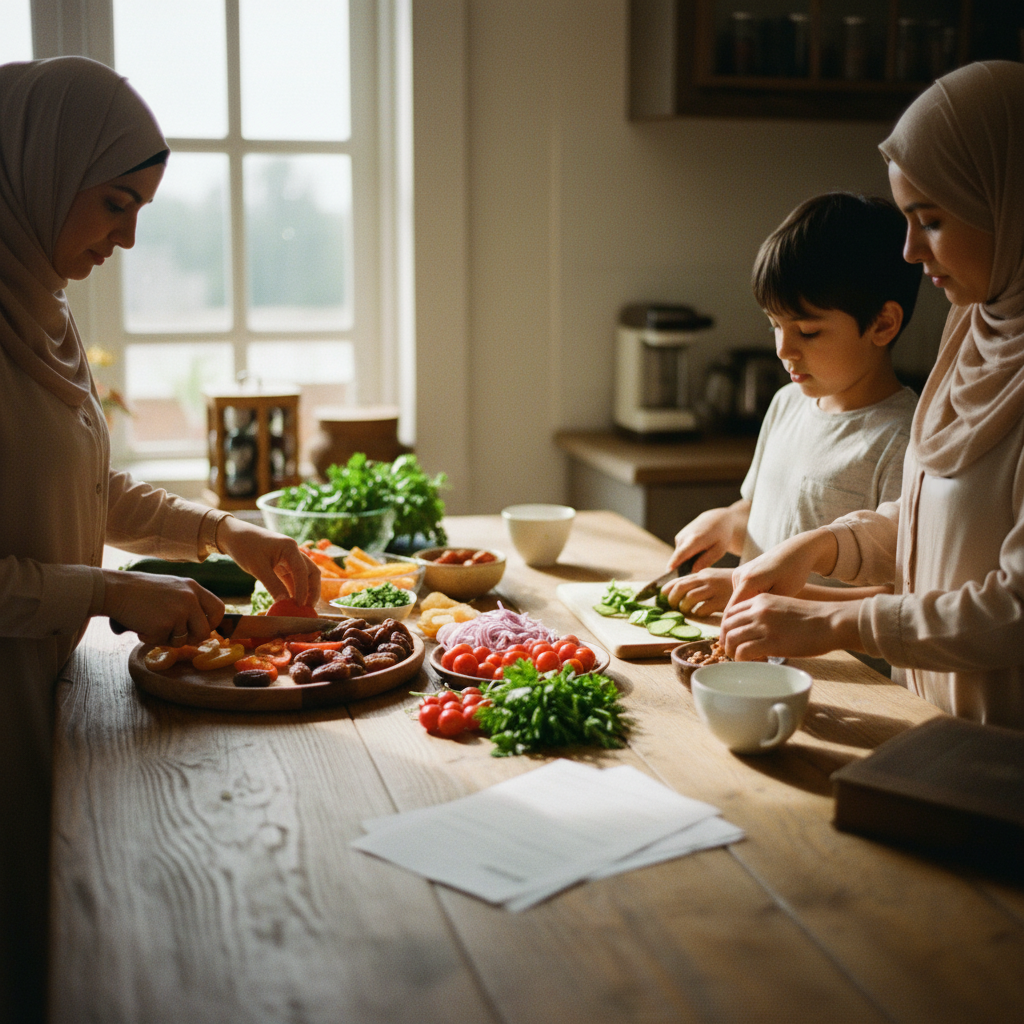
Islam’s holistic approach extends to what we consume and how we live our daily lives. The principles of moderation and mindfulness are paramount in maintaining the strength required for consistent worship and active living.
- Balanced Eating and Moderation: Our religion mandates moderation, urging us to avoid excess in all matters, including food. The Prophet (PBUH) himself embodied this principle; historical accounts describe his physique as fit, with a broad chest and an even stomach, indicative of a healthy, balanced diet (Ash-Shama’il Al-Muhammadiyah by Imam at-Tirmidhi). The practice of fasting during Ramadan serves as an annual spiritual and physical reset, teaching profound self-control, discipline, and an appreciation for sustenance. It highlights the principle of eating to live and worship, rather than living to eat. A Muslim’s diet should be balanced, rich in wholesome, permissible (halal) foods, providing the necessary energy and nutrients without overburdening the body.
- Active Lifestyle as the Norm: The Companions of the Prophet (PBUH) lived lives of natural fitness, characterized by walking long distances, engaging in hunting, and performing manual labor such as farming or trade. This intrinsic activity kept them physically strong and robust. In our contemporary, often sedentary world, we must intentionally reintroduce such activity. Modern recommendations, such as aiming for 10,000 steps daily or 150 minutes of moderate-to-vigorous physical activity (MVPA) weekly, are practical ways to emulate that active lifestyle. This isn’t about chasing fleeting trends; it’s about reclaiming a natural state of human movement that our urbanized lives have often suppressed.
- Holistic Benefits: The ramifications of a healthy diet and active lifestyle extend far beyond mere physical appearance. Fitness deeply supports emotional, mental, and spiritual health. A strong body is less susceptible to illness, allowing for uninterrupted devotion. Regular physical activity reduces stress, improves mood, and enhances cognitive function, making one more receptive to knowledge and more patient in adversity. Neglecting our physical health can limit our capacity for future worship and good deeds. The Prophet (PBUH) reminded us of the immense blessing of health, urging us to take advantage of it before sickness strikes (Sahih al-Bukhari on health as a blessing).
Empowering the Future: The Impact on Young Muslims
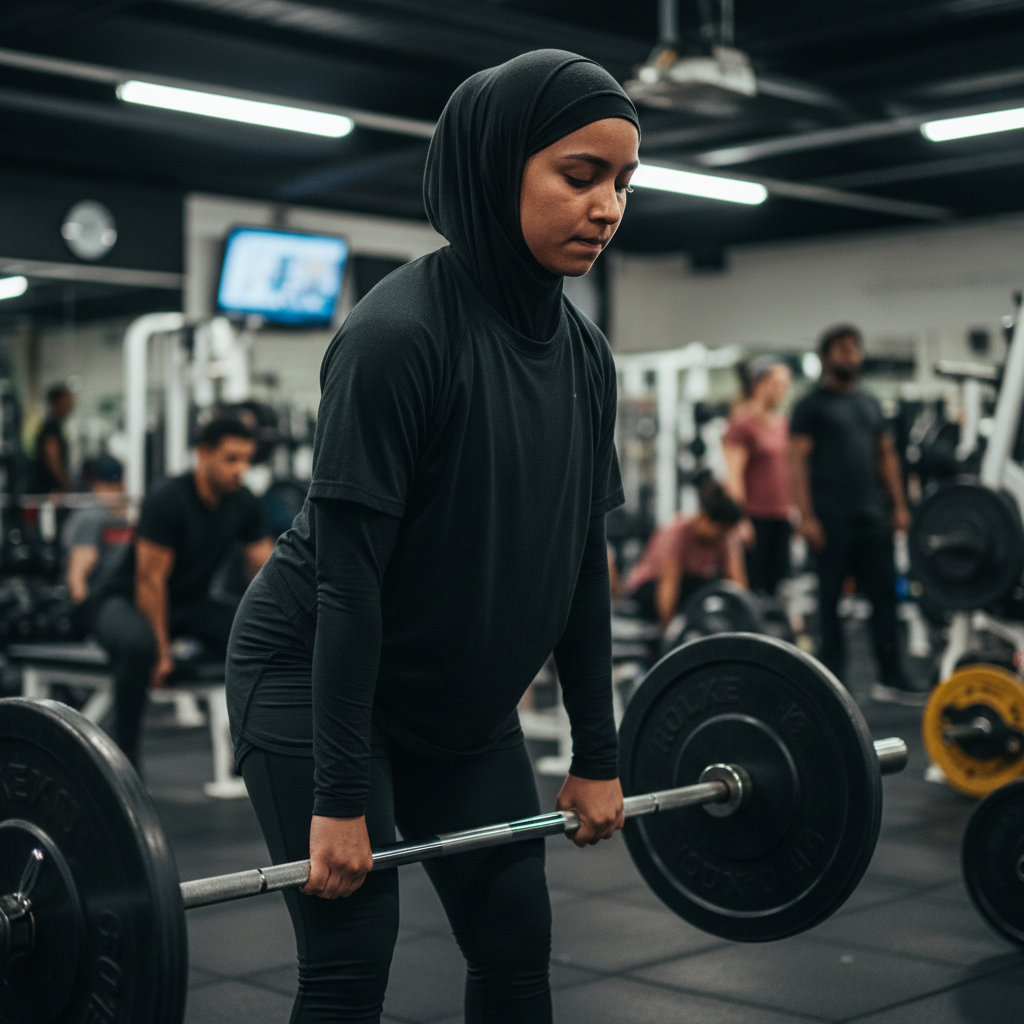
For the vibrant youth of Nooropolis and the broader Muslim community, embracing these Islamic principles of physical well-being holds transformative potential, fostering a generation that is not only spiritually grounded but physically formidable.
- Spiritual Synergy and Enhanced Worship: A strong, healthy body directly facilitates a deeper spiritual life. It allows for better focus and concentration during salat, enabling longer prostrations and a more profound connection with Allah (SWT). It provides the stamina required for acts of worship like Hajj and Umrah, which are physically demanding journeys. Furthermore, a vigorous body equips young Muslims for effective da’wah, allowing them to travel, speak, and engage with communities with sustained energy and enthusiasm.
- Productivity, Self-Reliance, and Ethical Conduct: Islam places a high value on productivity and self-reliance. The Prophet (PBUH) advised: "Take advantage of your bodily strength before you become weak" (Jami‘ at-Tirmidhi, Kitab al-Munaqib, Hadith 3648). A physically fit young Muslim is better equipped to pursue education, engage in honorable work, provide for their family, and contribute meaningfully to their community. Developing physical skills, including those found in combat sports or military training, can instill discipline, courage, and a sense of responsibility. This fosters respect within the community and contributes to the collective strength of the ummah. Such skills, when guided by Islamic ethics, serve the higher purpose of justice and defense, rather than aggression.
- Modern Application and Countering Sedentary Lifestyles: In an age dominated by screens and sedentary habits, reviving the Sunnah-inspired emphasis on physical activity is more crucial than ever. While some might argue that the Sunnah does not explicitly detail "modern sports" (IslamQA), the overwhelming evidence from Hadith clearly supports the *spirit* and *principle* of fitness for holistic strength. Young Muslims have an opportunity to be at the forefront of this revival, combating the health crises brought about by inactive lifestyles. Neglecting this prophetic emphasis on physical prowess risks weakening the ummah’s martial-spiritual essence, diminishing its capacity to lead and inspire.
The youth of Nooropolis are called to be beacons of Islamic productivity and excellence. This means not only excelling academically and spiritually, but also physically. By embracing active sports, nourishing their bodies with balanced diets, and adopting healthy lifestyles, they gain the vigor and resilience necessary to embody the ideals of their faith, to serve as exemplary members of society, and to contribute to a thriving, dynamic future.
Conclusion
The strength of our spirit is intimately interwoven with the strength of our physical form. In the grand tapestry of Islamic living, the body is not merely a transient shell but a divine trust, an instrument through which we fulfill our purpose on Earth. The Prophetic example and clear Islamic teachings underscore a profound truth: a strong, healthy Muslim is better positioned to worship devoutly, serve diligently, and lead effectively. For the young Muslims of Nooropolis and indeed, across the globe, this is a clarion call to action – to cultivate not just the intellect and the soul, but also the body, transforming it into a vessel of unwavering strength and resilience.
Let us stride forth, embodying the 'Athlete of Faith' – mindful of our diet, dedicated to movement, and committed to a lifestyle that honors the sacred trust of our physical being. In doing so, we not only enhance our individual capacity for good but collectively contribute to a vibrant, flourishing ummah that truly stands as a beacon of Islamic values in the modern world.