When we speak of places of worship, our minds often conjure images of soaring arches, intricate calligraphy, and the hushed reverence of devoted hearts. But pause for a moment, and consider the very first element that graces such a space, often before any human hand has shaped it: light. Not merely as a practical necessity to banish gloom, but as a living, breathing presence, a silent narrator, a spiritual guide. From the gentle kiss of dawn filtering through ancient windows to the golden embrace of sunset casting long shadows across a prayer hall, light does not just reveal a mosque; it defines its very soul. It is the intangible architect, shaping atmospheres, guiding reflection, and deepening our connection to the Divine.
At Nooropolis, exploring the intersection of Islamic faith, values, and modern living, we recognize the profound wisdom embedded in our traditions. In contemporary life, it’s easy to overlook subtle forces nourishing our spirits. Yet, Islamic architectural principles powerfully remind us how physical surroundings influence spiritual journeys. This exploration of natural lighting in modern mosques is more than an aesthetic discussion; it is an invitation to rediscover how deliberate geometric designs – courtyards, domes, and precisely oriented windows – become sacred conduits, evoking divine light and fostering tranquility, reflection, and an intimate connection to Allah. Join us as we uncover the luminous legacy that continues to shape our places of prostration, transforming mere structures into sanctuaries of profound spiritual encounter.
The Divine Illumination: Light as a Metaphor in Islam
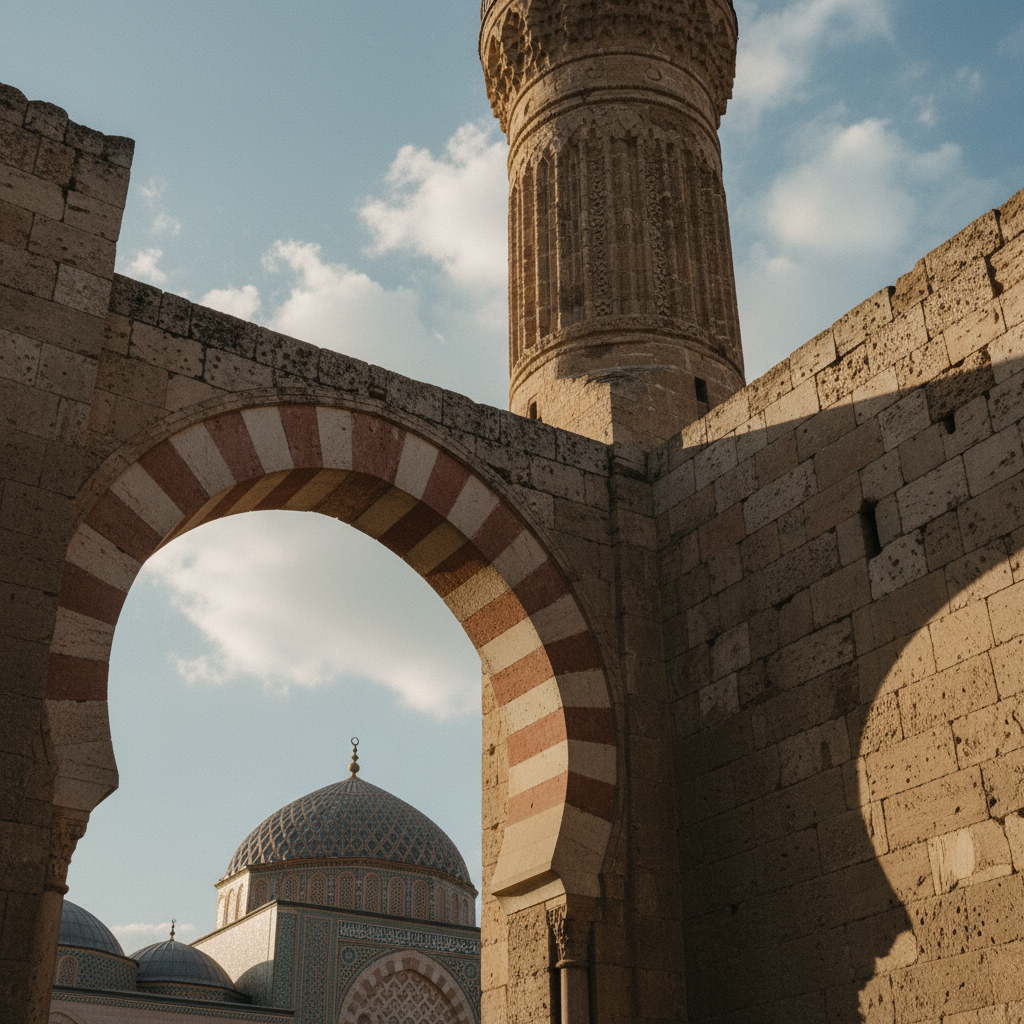
At the heart of Islamic tradition lies a profound reverence for light, a reverence that transcends mere physical perception to touch the very essence of the Divine. Our sacred text, the Quran, offers perhaps the most evocative description in Surah An-Nur (24:35): “Allah is the Light of the heavens and the earth.” This verse is more than a metaphor; it’s a foundational truth, establishing light as the ultimate symbol of divine presence, guidance, and spiritual enlightenment . In this context, light becomes synonymous with truth, clarity, and the pathway to understanding Allah’s signs in the cosmos and within ourselves.
For centuries, Islamic architects have sought to translate this transcendent concept into tangible, earthly spaces. A mosque, as a house of Allah, is envisioned as a microcosm of the heavens, a place where the human soul can ascend towards the divine. Thus, incorporating natural light into mosque design is not an afterthought; it is a theological imperative, an act of worship in itself. It’s about creating an environment where the worshipper feels enveloped in Allah’s boundless light, a space that inspires awe, serenity, and a focused devotion, free from worldly distractions. This deep-seated belief has historically guided the intricate dance between light, shadow, and form in Islamic architecture, setting the stage for the geometric marvels we witness in mosques across the globe.
The Master Architects: Geometry as a Language of Light
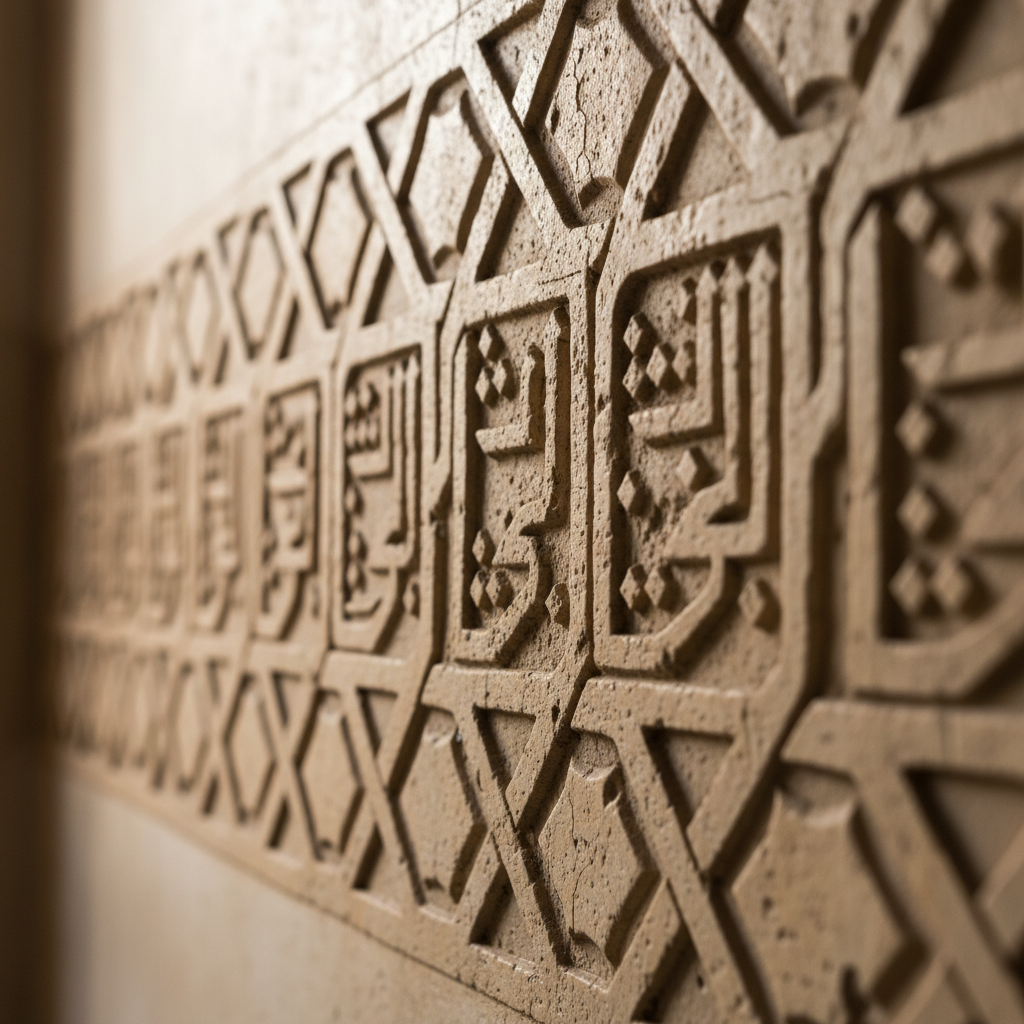
The beauty of Islamic architecture lies in its ability to marry profound spiritual concepts with meticulous scientific and artistic execution. The integration of natural light is a prime example of this synthesis, where geometry becomes the very language through which divine illumination is expressed . Architects of old, and thoughtful modern designers, understood that light needed to be managed, filtered, and directed to serve its spiritual purpose. Their designs are a testament to a deep understanding of celestial mechanics and human psychology, aiming to create spaces that are both physically comfortable and spiritually uplifting.
Fundamental to this approach is the mosque’s orientation. By aligning with the sun’s angle and, crucially, with the qibla – the direction of the Kaaba in Mecca – mosques are inherently designed to maximize the even distribution of natural light. This careful planning avoids harsh glares on the mihrab, the niche indicating the qibla, ensuring that the focal point of prayer remains unmarred. The goal is to create unified, shadow-free spaces that promote a sense of peace, equality among worshippers, and an undivided focus on worship .
The Sahn: Open Hearts, Open Skies
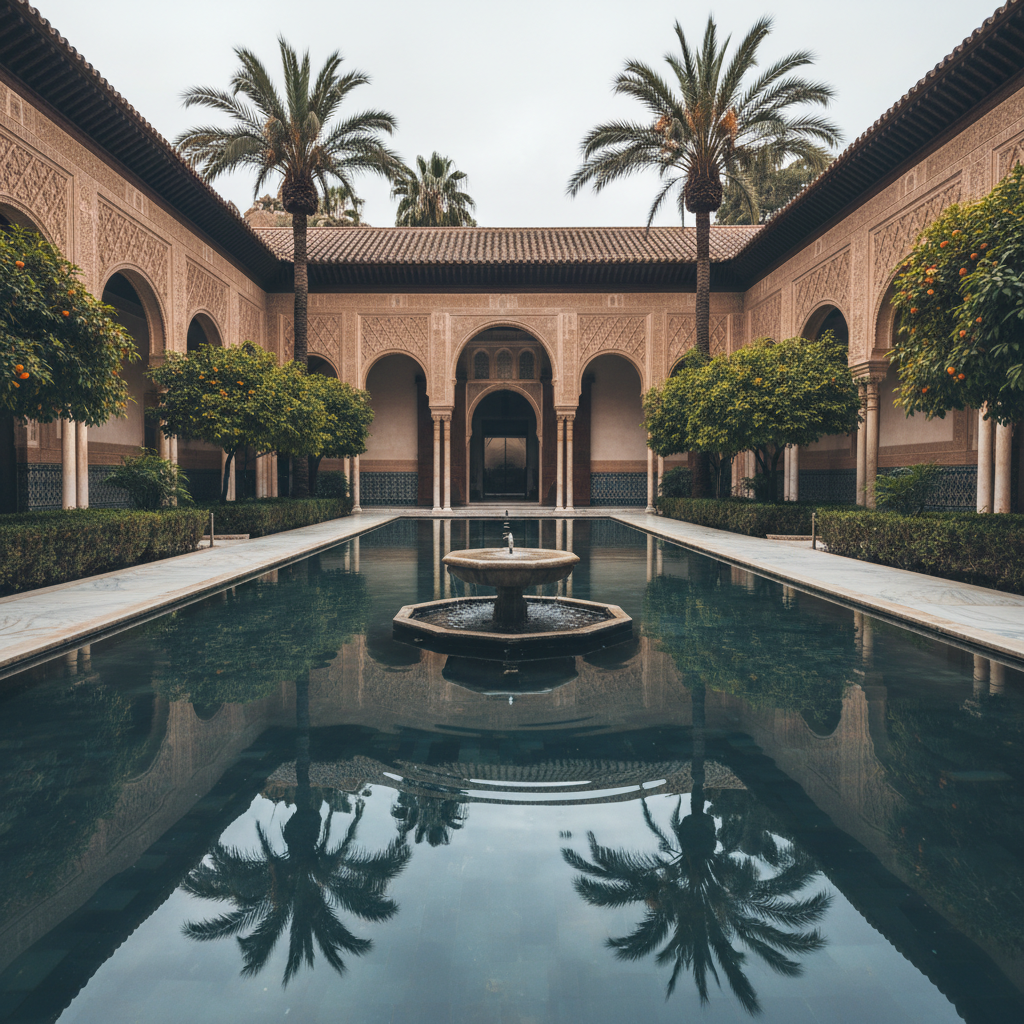
Perhaps one of the most iconic features of many traditional and modern mosques is the sahn, or open central courtyard. It serves as a powerful channel for natural sunlight, drawing it deep into the heart of the complex . This open-air space seamlessly transitions from the exterior to the sacred interior, preparing the worshipper for a spiritual journey. Beyond light, courtyards also aid in natural climate control, reducing humidity and inviting airflow, fostering a comfortable and serene atmosphere. The Sultan of Ternate Mosque exemplifies how the sahn blends exterior cosmology with interior reflection, inviting contemplation .
The Dome’s Embrace: Light from Above
The dome, a quintessential element of Islamic architecture, is not merely a structural feat or a symbol of the cosmos; it is a profound instrument for managing and distributing light. High-level windows, often subtly integrated into the base of the dome, disperse light uniformly across the vast prayer halls . This gentle, diffused illumination eliminates stark shadows, fostering comfort and a sense of shared space. Spiritually, light from the dome symbolizes ascension, drawing the worshipper’s gaze and heart upwards, reinforcing Allah’s all-encompassing presence and mercy. It’s a celestial embrace, bathing the congregation in ethereal, yet grounding light.
Veiled Radiance: Windows and Screens
While domes provide overhead light, the walls of a mosque are equally crucial in sculpting the luminous environment. Wall fenestrations – large, screened windows such as mashrabiya or intricate gypsum nets – are artfully employed, particularly on non-qibla walls, to filter direct rays of sunlight . These screens are not just decorative but functional masterpieces, diffusing intense light into a softer, more inviting glow. Colored glass, when incorporated, transforms light into mystical hues, evoking eternal bliss and detachment from worldly distractions . This veiled radiance ensures privacy, maintains a cool interior, and most importantly, crafts an atmosphere of tranquility and contemplation, where light itself seems to whisper divine secrets.
Nooropolis in the Modern Age: Blending Legacy with Innovation
In our ever-evolving world, modern mosque architecture faces the challenge of adapting timeless principles to contemporary needs, materials, and technologies. The spiritual essence of natural light remains paramount, yet its implementation has seen varied approaches. Some contemporary designs, such as those of Al-Raudhah Mosque, skillfully apply five core principles—orientation, roof lighting, building shape, and controlled apertures—to ensure spacious, comfortable, and spiritually resonant atmospheres . These exemplify how innovation can serve tradition, balancing functionality with spiritual elevation.
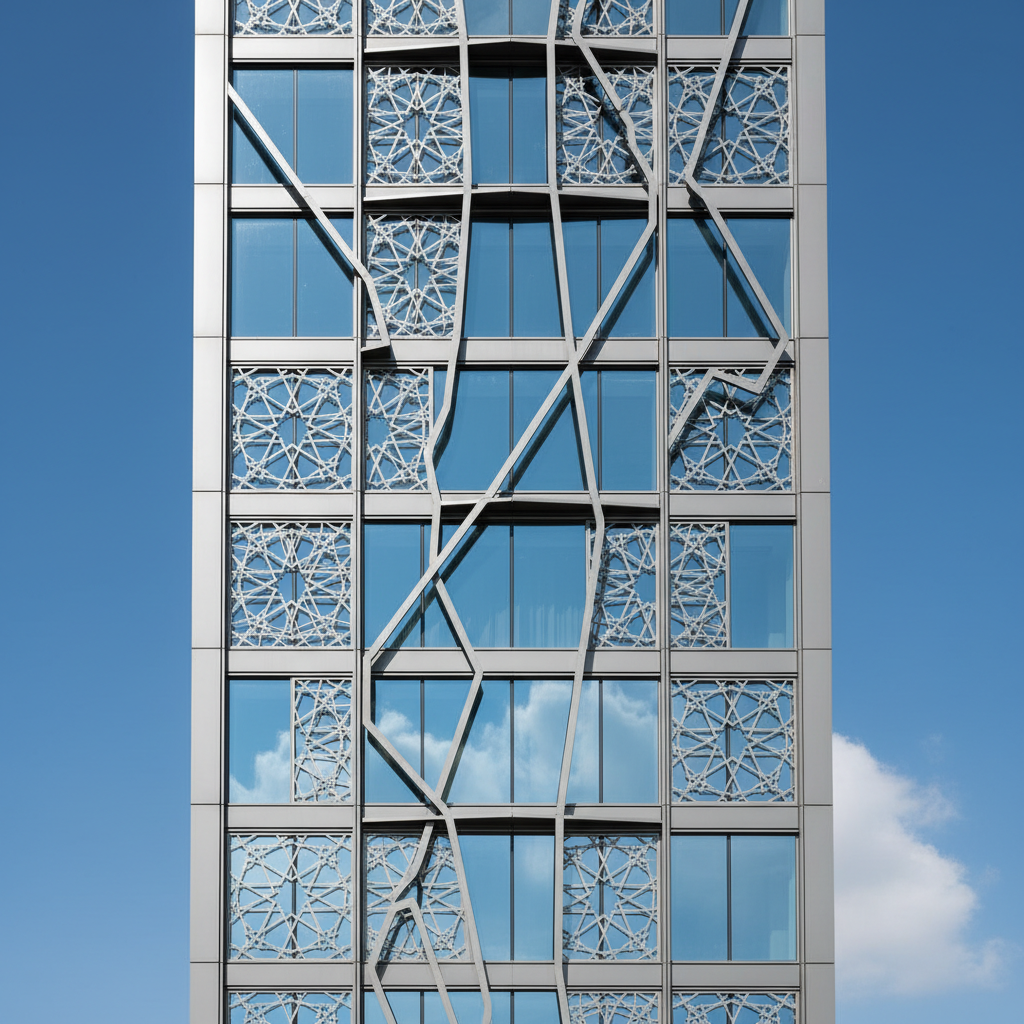
However, the allure of technological advancement sometimes leads to a departure from these profound foundations. A trend in some modern constructions favors mechanical lighting and expansive glass facades, which, while visually striking, can inadvertently diminish the mystical role of natural elements . Unlike traditional Iranian or Ottoman styles, where the interplay of light and shadow creates a heightened sense of sacred detachment and depth, an over-reliance on artificial brightness can flatten the spiritual dimension, reducing light to mere illumination rather than divine metaphor . It is crucial for architects and communities to resist the temptation of mere brightness, intentionally designing for a soft, intuitive light that invites introspection and awe.
Yet, the path forward is not to simply mimic the past, but to learn from its wisdom. Many successful modern mosques thoughtfully integrate elements like dome windows and wind towers, demonstrating how contemporary construction can maintain the delicate balance, ensuring a seamless transition from the abundant natural light of day to sensitively designed artificial sources at night . These structures stand as beacons, showcasing how modern design can indeed enhance the spiritual journey when guided by timeless principles.
Beyond Aesthetics: The Spiritual and Ethical Echoes of Natural Light
The intentional design of natural lighting extends beyond architectural aesthetics; it is deeply interwoven with Islamic lifestyle, influencing our spiritual well-being, ethical responsibilities, and connection to creation’s rhythms. From a pragmatic perspective, this careful geometry enhances productivity in worship by aligning the worshipper with natural rhythms and prayer times. The gentle awakening of Fajr, the zenith of Dhuhr, the lengthening shadows of Asr – these are not just markers of time but invitations to connect with Allah in harmony with the cosmos.
More profoundly, embracing natural light in our sacred spaces reflects an ethical harmony with creation, a core tenet of our faith. The Prophet Muhammad (peace be upon him) taught us, in a beautiful hadith narrated by Sahih Muslim: “The world is beautiful and verdible, and verily Allah… has made you His stewards in it.” This stewardship extends to how we design and inhabit our spaces. By utilizing Allah’s light, a gift from His creation, we acknowledge our role as khulafa al-ard (stewards of the earth), opting for sustainability, efficiency, and mindful integration with our environment. It is an act of gratitude, turning away from excessive consumption of artificial resources when perfect light is freely given.
In a postmodern world often characterized by excess, speed, and superficiality, the thoughtful integration of natural light in mosques serves as a powerful counter-narrative. It prioritizes soft, intuitive light over mere brightness, encouraging introspection, contemplation, and a deep sense of peace . It reminds us that spiritual richness is not found in glaring illumination but in the subtle interplay of light and shadow that invites the soul to settle, to reflect, and to engage in heartfelt devotion. This is a profound lesson for our individual lives too – to seek the subtle guidance, the gentle nudge, rather than the loud declaration, in our spiritual journeys.
A Luminous Future: Restoring the Prophetic Legacy
As we reflect on the geometry of light within our mosques, it becomes clear that this is more than an architectural detail; it is a spiritual philosophy made manifest. It is a legacy handed down through generations, rooted in the Quranic declaration of Allah as the Light of the heavens and the earth, and echoing the prophetic wisdom of living in harmony with creation. Mosques successfully integrating sahn-designs and thoughtful fenestrations are not just beautiful structures; they restore a prophetic legacy, fostering spiritual vitality and profound connection for all who enter .
For us at Nooropolis, this understanding is a call to conscious living. Let us look at our mosques not just as buildings, but as luminous vessels designed to elevate our spirits. Let us appreciate the subtle artistry in the way light caresses a wall, illuminates a corner for quiet prayer, or floods a courtyard with warmth. By consciously valuing natural light in our sacred spaces – and indeed, in our homes and workplaces – we not only preserve architectural heritage but nurture our souls, fostering tranquility and strengthening our bond with the Divine. May our mosques continue to be beacons, bathed in the light that guides, comforts, and inspires us all towards a life of profound purpose and devotion. And may we always remember that in every ray of light, there is a sign from Allah, inviting us to reflect, connect, and thrive.