Echoes of Eternity: Mimar Sinan’s Enduring Legacy in Contemporary Turkish Design
As the Editor-in-Chief for Nooropolis, a global hub dedicated to Islamic faith, values, spirit, and practice, it is with deep reverence and intellectual curiosity that we embark on a journey through time. Our destination: the magnificent architectural landscape shaped by one of history’s most prolific and pious builders, Mimar Sinan. His name, synonymous with the golden age of the Ottoman Empire, continues to whisper through the modern skylines of Turkey, reminding us that true excellence, born of faith and dedication, transcends centuries.
Imagine a time when functionality, aesthetics, and engineering resilience were not separate disciplines but interwoven threads in a grand tapestry of creation. This was the world of Mimar Sinan, the chief architect for nearly 50 years under formidable sultans like Süleyman the Magnificent. His legacy is not merely a collection of buildings; it is a profound philosophy etched in stone, influencing not just structures but the very spirit of urban life. He didn’t just build; he envisioned communities, uplifted spirits, and engineered for eternity. With over 300-400 structures to his name—including 81 mosques, 55 madrasas, numerous bridges, aqueducts, and baths—Sinan established a classical Ottoman style that remains unmistakably present in Turkey’s vibrant cities and thoughtful restoration projects today.
The Architect of an Empire: A Life of Purpose
Mimar Sinan, born into humble beginnings, rose through the ranks of the Janissaries, gaining invaluable practical engineering experience in military campaigns. This background instilled in him a unique understanding of structural integrity, logistics, and resourcefulness – qualities that would later define his architectural genius. His appointment as chief imperial architect was not just a career change; it was a divine calling, a responsibility he embraced with unparalleled dedication. Every arch, every dome, every intricate detail was a testament to his belief in ‘ihsan’ – doing things with perfection, a principle deeply rooted in Islamic teachings. Sinan embodied this perfection in every endeavor, turning stone and mortar into prayers made manifest.
A Trio of Masterpieces: A Journey of Architectural Mastery
Sinan’s journey as an architect is often described through three iconic mosques, each representing a stage of his evolving mastery. These aren’t just buildings; they are lessons in perseverance, innovation, and an unwavering pursuit of beauty.
Şehzade Mosque (1548, Istanbul): The Apprentice’s Vision
Considered his "apprentice work," the Şehzade Mosque in Istanbul is a marvel of early Ottoman design. Built in memory of Sultan Süleyman’s son, it features a grand central dome flanked by smaller domes and semi-domes, creating a harmonious and flowing interior space. This mosque wasn’t just beautiful; it was a blueprint, a groundbreaking design that would inspire future generations of architects, including Sedefkar Mehmed Agha, the visionary behind the revered Blue Mosque. Here, Sinan began to articulate his understanding of spatial unity, drawing from Byzantine precedents like Hagia Sophia but reimagining them with a distinct Ottoman flair and a deeper sense of community integration.
Süleymaniye Mosque (1557, Istanbul): The Journeyman’s Grandeur
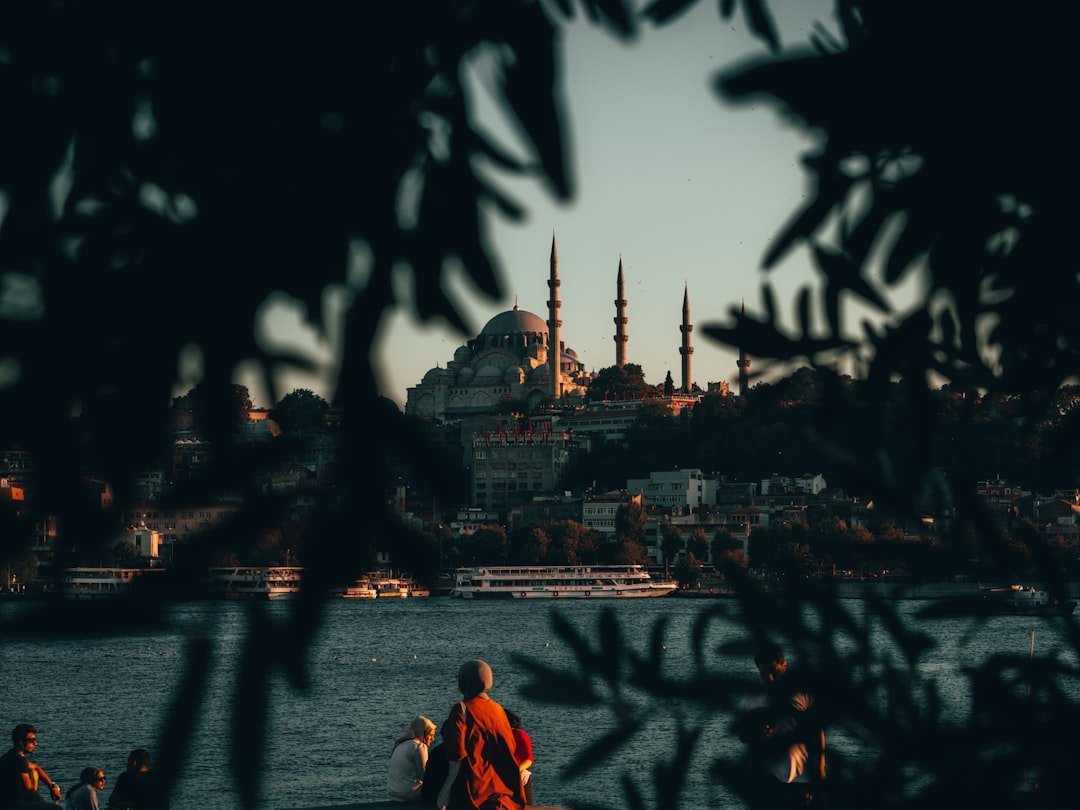
Next, we arrive at what is often called his "journeyman work," the Süleymaniye Mosque complex. Dominating Istanbul’s skyline, its magnificent 53-meter dome doesn’t just enclose space; it symbolically reaches towards divine perfection. But the Süleymaniye is far more than just a mosque. It is a sprawling külliye, an integrated complex that once housed madrasas (schools), a hospital, public kitchens, a caravanserai, and baths, serving the spiritual, intellectual, and material needs of the entire community. This exemplifies an ethical Islamic lifestyle: productivity through resilient infrastructure, community support, and spiritual elevation—all under one harmonious design. It reminds us of the Quranic call for charity and public welfare, where sacred spaces are not isolated but are vibrant centers of life.
Selimiye Mosque (1575, Edirne): The Masterpiece of Unity
Finally, Sinan’s "masterpiece," the Selimiye Mosque in Edirne, stands as the pinnacle of Ottoman architecture. Here, he achieved an unprecedented sense of unified interior space, with its monumental dome appearing almost weightless, supported by an ingenious system of slender pillars and arches. The dome, larger than that of Hagia Sophia, is a testament to his relentless experimentation and structural daring. The Selimiye is not just aesthetically stunning; it is a profound expression of divine unity, where every element contributes to a singular, awe-inspiring experience. It’s a space designed to humble the individual, inviting contemplation of the Creator’s vastness and beauty, echoing Quran 67:3-4: "He who created the seven heavens in layers. You will not find in the creation of the Most Merciful any inconsistency… When you look at it, you see harmony and beauty." Sinan, through his art, invited us to see this harmony.
Engineering Beyond Beauty: A Military Mind at Work
Sinan’s genius wasn’t limited to soaring domes and intricate tilework. His military background forged him into a master of practical engineering. Take, for instance, the Kirkçesme aqueducts, a monumental undertaking that brought life-giving water over 55 kilometers to Istanbul. This wasn’t merely a utilitarian project; it was an act of public service, a testament to his understanding that a flourishing society depends on robust, resilient infrastructure. His bridges, aquaducts, and other civic works demonstrate a deep commitment to the practical well-being of the people, merging form with function in ways that endure to this day. This fusion of engineering and aesthetics is a cornerstone of his lasting appeal.
Echoes in Modern Turkey: Sinan’s Enduring Blueprint
Centuries later, Mimar Sinan’s footprint remains indelible on contemporary Turkish design. His legacy is not a relic of the past but a vibrant, living source of inspiration that continues to shape the physical and spiritual landscape of the nation.
UNESCO Recognition and Preservation
His structures are not only preserved but celebrated, featuring in six UNESCO World Heritage sites across four countries. This global recognition underscores their universal value and inspires dedicated preservation efforts. Modern architects and urban planners look to these sites not just for historical context but for timeless principles of design and sustainability, encouraging a "neo-Ottoman" style that respectfully integrates the past with the present.
Urban Skylines and Neo-Ottoman Styles
From the bustling streets of Istanbul to the serene landscapes of Edirne, Sinan’s influence is unmistakable. Contemporary designs, whether secular or religious, frequently echo his signature dome innovations, the masterful integration of ceramics, and the concept of multifunctional spaces. The silhouette of Istanbul, still dominated by grand domes and minarets, owes a profound debt to his vision. Even modern bridges and public buildings subtly or explicitly nod to his aesthetic, demonstrating a conscious effort to maintain a distinct Ottoman identity in a rapidly modernizing world.
Functionality and Resilience in New Builds
Beyond aesthetics, Sinan’s emphasis on practical engineering and structural resilience remains a guiding principle. Modern Turkish architects study his methods for building enduring structures capable of withstanding the test of time and natural forces. His techniques, for instance, were even referenced in the reinforcement work for iconic structures like Hagia Sophia, demonstrating the timeless relevance of his structural wisdom. This focus on long-term stability and functionality is a direct inheritance from Sinan’s military-trained mind.
Architectural Education and Inspiration
In universities and architectural firms across Turkey, Mimar Sinan is not just a historical figure; he is a foundational pillar of architectural education. Students meticulously study his unique fusion of Byzantine influences with indigenous Ottoman forms, learning how to combine beauty, function, and resilience. This ensures that the thread of his genius continues to be woven into the fabric of future constructions, allowing new generations to reinterpret and extend his legacy.
Recent Projects and Continued Relevance
Indeed, recent projects in vibrant cities like Istanbul and historical Edirne draw directly from Sinan’s models, maintaining a sense of cultural continuity. This isn’t mere imitation; it’s an homage, a dynamic engagement with a heritage that offers invaluable lessons for designing spaces that are both spiritually uplifting and practically robust. His work continues to provide a rich vocabulary for expressing Turkish identity in diverse contexts, ensuring that the spirit of Ottoman design remains vibrant and relevant.
Beyond Bricks and Mortar: The Spiritual Foundation
For us at Nooropolis, Mimar Sinan’s legacy transcends architectural technique. It is a profound testament to the power of Islamic ethics and spiritual dimensions embodied in physical form. His entire oeuvre can be seen as an act of devotion, a striving for perfection in honor of the Creator.
His pursuit of excellence, of ‘ihsan’, in every detail, from the grandest dome to the smallest tile, reflects a deep understanding of his faith. He wasn’t just building for sultans; he was building for Allah, seeking to create structures that would facilitate worship, foster community, and inspire awe. The integrated külliyes, offering education, healthcare, and sustenance alongside prayer, are shining examples of ‘sadaqa jariyah’—ongoing charity—that continues to benefit people centuries after their construction. This vision of holistic community building, rooted in compassion and service, is a timeless model for contemporary Muslim urban ethics.
Ultimately, Sinan’s designs evoke divine unity and beauty. The harmony, symmetry, and luminous interiors of his mosques guide the gaze upwards, inviting reflection on the flawless creation of Allah, as described in the Quran (67:3-4). His work is a physical manifestation of gratitude, a humble yet magnificent offering that reminds us of the sacredness inherent in skilled craftsmanship and purposeful design. It speaks to a deep spiritual longing for beauty that reflects the divine, a quality that elevates mere construction into an art form that feeds the soul.
A Timeless Model for Nooropolis and Beyond
Mimar Sinan’s legacy is a beacon for Nooropolis, illuminating a path for ethical Islamic living in the modern world. His life and work teach us that true productivity involves building not just efficiently, but resiliently, with an eye towards enduring utility for future generations. His külliyes provide a blueprint for fostering strong, compassionate communities where every member’s welfare is considered. And his awe-inspiring designs remind us that spiritual elevation can be found not only in prayer but in the profound beauty and harmony of our surroundings, which can evoke a deeper connection to the Divine.
In a world increasingly seeking meaning and purpose, Sinan’s blend of engineering prowess, aesthetic genius, and profound spiritual grounding offers a timeless model. His Ottoman influence, far from being confined to history books, continues to inspire a dialogue between tradition and modernity, urging us to build with excellence, care, and a God-fearing heart. May his legacy continue to inspire architects, urban planners, and indeed, all of us, to build spaces and communities that reflect the beauty and justice of our faith.