The human form, in its divine design, is a testament to the Creator’s artistry – a vessel for the soul, a tool for worship, and a canvas for our efforts in this world. For the Muslim, this understanding elevates every aspect of self-care, transforming daily routines into acts of devotion. We are called not merely to exist, but to thrive, to cultivate strength not for vanity, but for service, for resilience, and for the profound gratitude of a body capable of prostration and striving. In an age where physical well-being is increasingly prioritized, the Muslim athlete finds a unique intersection: the pursuit of peak performance intertwined with spiritual principles.
As we push our bodies in training – whether lifting weights, running distances, or honing skills – we invariably incur a ‘debt’ of recovery. Muscles break down, energy stores deplete, and the body yearns for replenishment. For the Muslim athlete, this replenishment isn’t just about optimal recovery; it’s about nourishing a body that has a right over us, doing so with food that is not only beneficial but also pure and permissible. It is an act of proactive self-care, an investment in our ability to fulfill our duties to Allah and to humanity.
This pursuit of strength and health, guided by Islamic principles, brings us to the crucial topic of post-workout nutrition. Specifically, how do we efficiently refuel with high-quality, halal protein and essential carbohydrates, ensuring our physical progress remains deeply rooted in our spiritual journey? This guide, drawing from both scientific insight and sacred texts, offers practical, delicious solutions to help you recover faster, grow stronger, and maintain a vibrant connection between your plate and your faith.
Islamic Frame: Strength, Health, and Halal
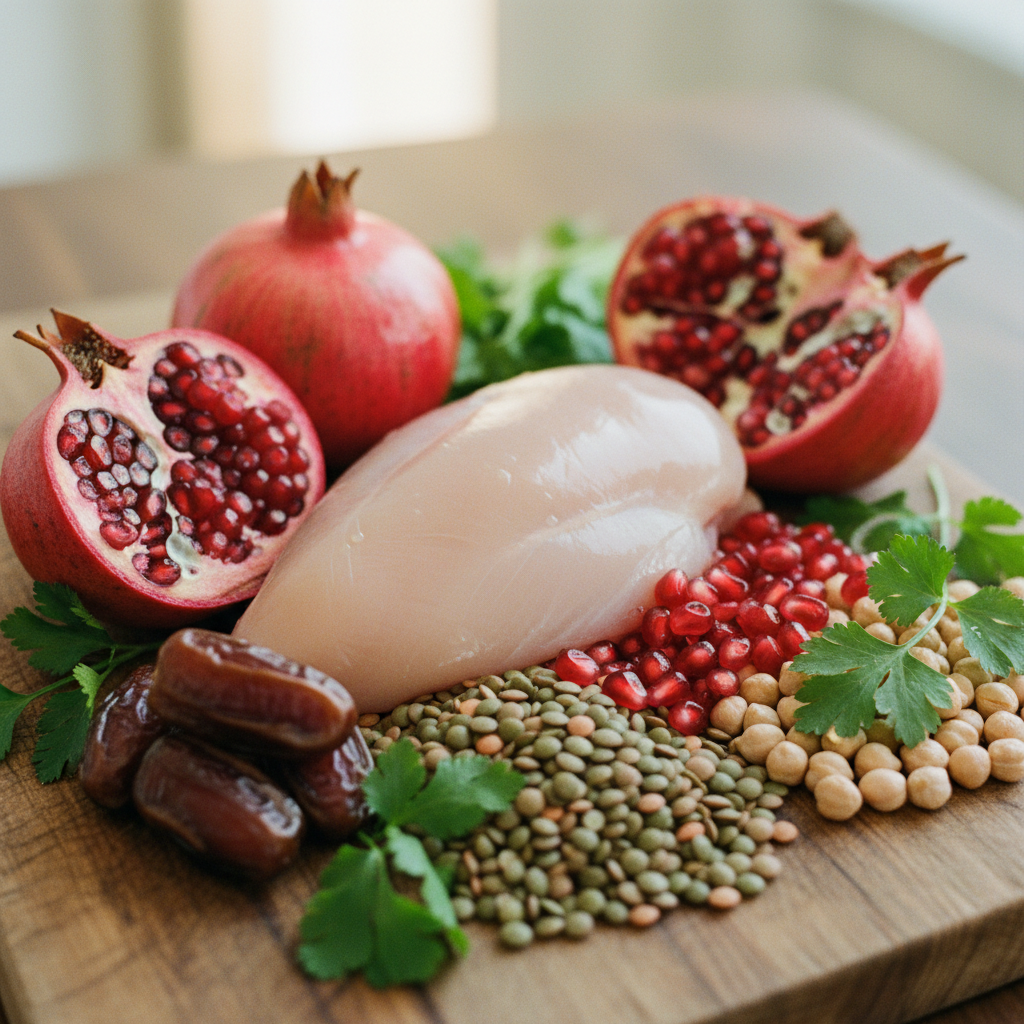
The Prophet, peace be upon him, articulated this beautifully when he said, "The strong believer is better and more beloved to Allah than the weak believer, while there is good in both." [Muslim] This profound wisdom isn’t just about physical prowess on a battlefield; it encompasses a holistic strength – mental, spiritual, and yes, physical. A robust body enables consistent worship, sustained service to family and community, and the endurance to face life’s challenges with steadfastness. It is a trust, an amana, from Allah, and our responsibility is to care for it diligently.
The Quran further guides our dietary choices, commanding, "O you who believe, eat of the good (tayyibat) that We have provided for you…" (Quran 2:172). Scholars explain tayyib as encompassing not only what is lawful (halal) but also what is pure, clean, safe, and inherently beneficial for our bodies. This comprehensive definition elevates our food choices beyond mere legality to a sphere of conscious health and well-being. Eating tayyibat means choosing foods that nourish, heal, and empower us, avoiding anything that would harm or impede our physical or spiritual progress.
Moreover, the Prophet, peace be upon him, reminded us, "Your body has a right over you." [Bukhari] This profound statement underscores the obligation to maintain our physical health. It means prioritizing adequate recovery, ensuring proper nutrition, and obtaining sufficient sleep. Neglecting these fundamental needs isn’t just poor self-care; it can be seen as a failure to uphold a divine trust. Therefore, approaching post-workout nutrition with the intention of strengthening your body for worship and service, using pure halal food and expressing gratitude for Allah’s provisions, transforms a seemingly mundane act into a profound act of ibadah (worship).
Evidence-Based Protein Targets
From a scientific standpoint, the period immediately following exercise is often termed the "anabolic window," where muscles are primed to absorb nutrients for repair and growth. Research suggests that after training, most individuals respond optimally to an intake of 20–40 g of high-quality protein to stimulate muscle protein synthesis, the process by which muscles repair and rebuild stronger.
Crucially, this protein intake should ideally include approximately 2 g of leucine, an essential amino acid recognized for its role as a key "switch" for muscle protein synthesis. This falls within the recommended range of 700–3000 mg of leucine. For context, about 100 g of cooked chicken breast typically provides sufficient leucine to activate this process effectively. Halal chicken, being lean and a complete protein source, is particularly highlighted as an excellent choice for fast recovery and easy meal preparation, aligning perfectly with both performance and faith.
Quick Halal Post-Workout Recipes (20–40 g Protein)
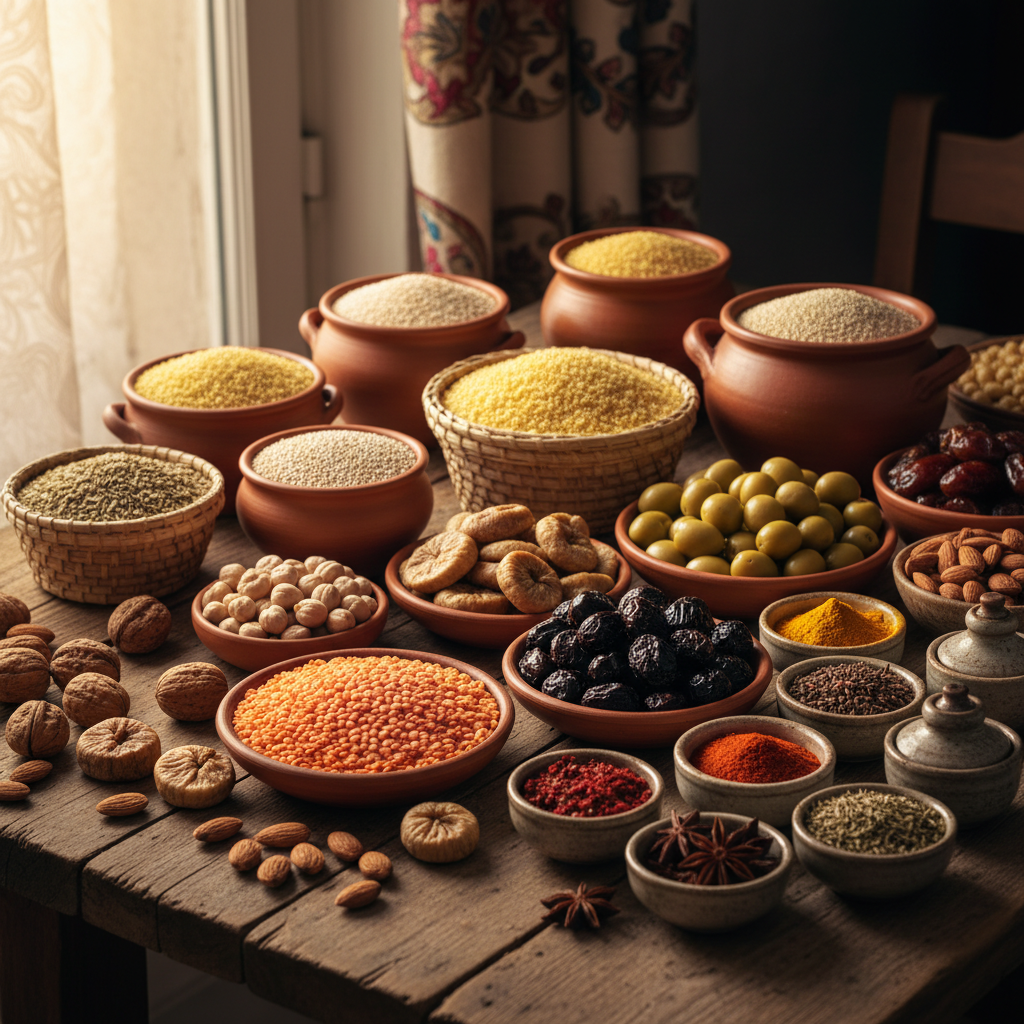
Now, let’s translate these principles into practical, delicious meals that fit into your busy life and recovery window.
A. Halal Chicken & Rice Recovery Bowl (Classic)

Inspired by "Halal-style chicken & rice", this classic combination provides a powerful nutrient punch.
- Macros (approx. per serving):
- Protein: 35–40 g (from 150–170 g cooked chicken)
- Carbs: 50–60 g (rice + veg, more if you add fruit)
- Fat: 10–15 g (depending on sauce)
- Ingredients (1 athlete portion):
- 150–170 g cooked halal chicken thighs or breast, cubed
- ¾ cup cooked basmati rice, preferably with light spices (turmeric, cumin)
- 1 cup shredded lettuce
- ½ cup diced tomatoes & cucumbers
- 2 tbsp low-fat yogurt
- 1 tsp lemon juice
- ½ tsp garlic powder, salt & pepper to taste
- Optional: 1 tsp olive oil or light mayo in the sauce
- Method:
- Prep chicken (meal-prep on Sunday): Marinate 1–1.5 kg halal chicken in lemon juice, garlic, black pepper, coriander, oregano, and a little light mayo or yogurt as in the halal-style recipe. Grill or pan-sear until fully cooked, then cube; store in containers.
- Cook rice: Toast spices in a sprayed pot, then add washed rice and water; cook until fluffy.
- Build your bowl (post-workout): Place ¾ cup rice, salad in the middle, and 150–170 g chicken on top. Mix yogurt, lemon juice, garlic, and a little salt as a "white sauce," drizzle over. Add harissa or hot sauce if desired.
- Why it works: High protein, excellent complex carbohydrates for glycogen replenishment, low in unhealthy fats, and ideal for scalable meal prep.
B. 10-Min Omelette & Yogurt Plate (No Meat, Still Halal)
A quick, satisfying option drawing on savory halal omelette and yogurt ideas.
- Macros (approx.):
- Protein: 30–35 g
- Carbs: 15–25 g
- Fat: 15–20 g (mostly from eggs; can reduce yolks for less fat)
- Ingredients:
- 3 whole eggs or 2 whole + 2 whites
- 30 g low-fat cheese (optional)
- 1 tbsp chopped herbs (parsley, coriander, chives)
- 1 tsp olive oil
- 150 g low-fat Greek or strained yogurt
- 1 tsp honey (optional)
- 10–15 g nuts (pistachios, almonds)
- Fruit: ½ banana or a handful of berries
- Method:
- Beat eggs with salt, pepper, and herbs. Cook in olive oil on medium heat; add cheese if using; fold to finish.
- In a bowl, mix yogurt with a touch of honey, top with nuts and fruit.
- Why it works: Lightning fast, requires no defrosting, provides strong protein from eggs and yogurt, along with beneficial fats and natural sugars.
C. High-Protein Halal Chicken Burger Wrap (Gym-Friendly)
A portable option inspired by high-protein chicken burger concepts.
- Macros (approx.):
- Protein: 30–40 g (depending on patty size)
- Carbs: 30–40 g (from the wrap)
- Fat: 10–15 g (controlled by cooking method and sauce)
- Ingredients (1 serving):
- 1 large halal chicken burger patty (~120–150 g), preferably lean breast meat
- 1 wholemeal tortilla or wrap
- 1–2 leaves lettuce, slices of tomato and cucumber
- 1–2 tbsp low-fat yogurt or hummus
- Seasoning: cumin, coriander, garlic powder, black pepper
- Method:
- Season patty if making from minced chicken (breast or thigh) with spices and chopped onion.
- Grill or pan-cook with minimal oil until fully cooked through.
- Warm wholemeal wrap; spread yogurt or hummus. Add patty and vegetables, wrap tightly.
- Why it works: Exceptionally portable, easy to eat within the critical one-hour window, and offers a great carb-protein balance for efficient recovery.
D. Low-Carb Option: Grilled Chicken & Veg Plate
For those mindful of carbohydrate intake, this offers solid protein from lean halal chicken.
- Macros (approx.):
- Protein: 30–35 g
- Carbs: 10–15 g (from vegetables)
- Fat: 10–15 g (mainly from olive oil)
- Ingredients:
- 150 g grilled halal chicken breast
- 1–2 cups mixed vegetables (broccoli, peppers, zucchini)
- 1 tbsp olive oil
- Spices: paprika, garlic, pepper, a little salt
- Optional: ½ small avocado
- Method:
- Grill chicken breast with spices until just cooked; slice.
- Toss vegetables in olive oil and grill or roast until tender-crisp.
- Serve chicken alongside vegetables; add avocado slices if desired for healthy fats.
- Best for: Evening sessions or days when you aim for lower carbohydrate intake while still prioritizing robust protein.
E. Halal Ginger Roasted Chicken & Slaw (Renal-Friendly, Lean)
A flavorful, lean option inspired by recipes developed for specific dietary needs, but beneficial for all seeking balanced nutrition.
- Macros (approx., per serving):
- Protein: 25–30 g
- Carbs: 20–30 g (from slaw vegetables, depending on additions)
- Fat: Low, especially if chicken is skinless and minimal oil is used.
- Ingredients (simplified):
- 120–150 g skinless halal chicken pieces (breast or thigh)
- Fresh ginger, garlic, and a little oil for marinade
- Shredded cabbage, carrots, and a light vinaigrette for an Asian-style slaw
- Method (high level):
- Marinate chicken in grated ginger, minced garlic, and a small amount of olive oil for at least 30 minutes.
- Roast the chicken in an oven until cooked through and slightly browned.
- Toss shredded cabbage and carrots with a light dressing (e.g., rice vinegar, a tiny bit of sesame oil, and a touch of sweetness if desired).
- Serve the roasted chicken over or next to the fresh, crunchy slaw.
- Why it works: Offers high-quality lean protein, moderate carbohydrates from vegetables, and a low-fat profile, making it a versatile and healthy choice.
Practical Sunnah-Based Habits Around Training & Eating
Beyond the macros and timings, the act of fueling our bodies can be imbued with profound spiritual significance. Our journey as Muslims extends to every corner of our lives, including the plate before us. Consider the impact of ensuring our sustenance comes from a halal source, not just in its ingredients, but in the lawful means by which it was acquired. The Prophet, peace be upon him, taught us that righteous earnings bring barakah – divine blessing – and are crucial for the acceptance of our supplications. A meal earned through honest, halal means, then prepared and consumed with gratitude, carries a different spiritual weight.
- Halal & Halal Income: Always ensure your meat is clearly halal and, as much as possible, purchased from lawful earnings; both contribute to accepted dua and barakah.
- Moderation: The Prophet, peace be upon him, advised: "A human being fills no vessel worse than his stomach…" and recommended roughly one-third for food, one-third for drink, and one-third for air. [Tirmidhi] Post-workout is a time for replenishment, not a license to overeat. Cultivate mindfulness in eating, stopping before you are completely full.
- Hydration with Gratitude: Water is life itself. Before drinking, say Bismillah (In the name of Allah), and after, Alhamdulillah (Praise be to Allah). Revive the sunnah of drinking in sips, not gulps, appreciating each drop.
- Intention (Niyyah): Transform routine actions into worship by setting a pure intention. Make your niyyah that your training and subsequent nutrition are "to strengthen myself to obey Allah more consistently, to serve my family and community better, and to fulfill the rights my body has over me." This conscious intention elevates every bite into an act of devotion.
Simple Templates You Can Rotate
To simplify your meal planning, consider these templates based on your training intensity and goals:
- High-Carb Days (heavy legs, long runs, bulking):
- Halal Chicken & Rice Recovery Bowl (perhaps a larger portion of rice)
- Chicken Burger Wrap + a piece of fruit or extra potato
- Moderate-Carb Days (upper body, mixed sessions, maintenance):
- Omelette + Yogurt Plate
- Ginger Chicken & Slaw (you could add a small side of quinoa or sweet potato)
- Low-Carb/Evening Sessions (cutting, body recomposition):
- Grilled Chicken & Veg Plate
- 2 whole eggs + 200 g Greek yogurt + a small handful of nuts
These recipes offer a starting point, easily adaptable to your taste and nutritional needs. If you share your bodyweight, specific training style (strength / hypertrophy / endurance), and whether your goal is cutting or bulking, I can help you set more exact per-meal protein and carb targets and tweak these recipes accordingly for personalized optimal performance.
Ultimately, the journey of physical excellence, when undertaken with sincere intention and adherence to Islamic principles, becomes a holistic path. It’s a path where every meal is a reminder of Allah’s blessings, every effort a step towards fulfilling our potential, and every moment of strength a capacity for greater worship and service. May Allah grant us strength in body and faith, always guiding us to what is good and beneficial. Ameen.