In the quiet moments before the aroma of a family meal begins to fill our homes, there is a profound truth in the act of preparing food. Our kitchens, far more than mere spaces for sustenance, are sacred hearths where traditions are nurtured, blessings invoked, and the very essence of our faith can be lived out. As Editor-in-Chief for Nooropolis, I often reflect on how our daily choices, even in the smallest details of cooking, can draw us closer to the divine. Today, let us open the doors to a special kind of kitchen – the Halal Middle Eastern kitchen – and explore the essential staples that form its blessed foundation. It is a journey not just through ingredients, but through intention, heritage, and the beautiful tapestry of Islamic living.
The Heart of the Home: A Halal Foundation
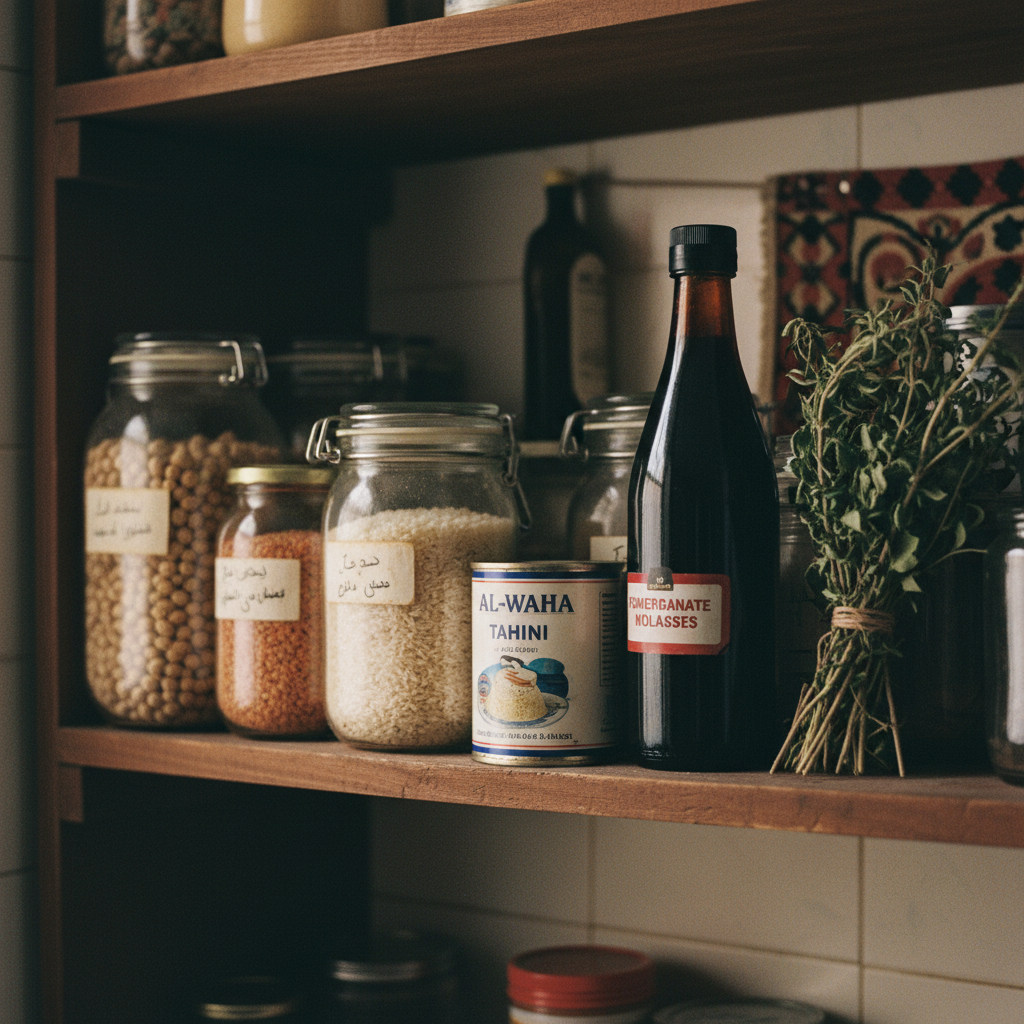
For centuries, the Middle Eastern kitchen has been a vibrant hub, echoing with the laughter of generations and the comforting sizzle of wholesome meals. Its cuisine, rich in flavor and deeply intertwined with culture, speaks of hospitality, generosity, and resilience. But for us, as Muslims, there is an added dimension: the commitment to halal. This commitment extends beyond merely avoiding haram (forbidden) foods; it encompasses a holistic approach to sourcing, preparation, and consumption that prioritizes purity, ethics, and a grateful heart. Building a truly halal pantry means understanding the ingredients that not only create authentic Middle Eastern dishes but also align with the principles Allah has set for us – wholesome, beneficial, and blessed (tayyib).
Imagine a kitchen where every ingredient is a whisper of tradition, a testament to God’s bounty, and a conduit for nourishment. This isn’t just about food; it’s about fostering an environment of barakah (blessings), where meals are not just eaten but savored, appreciated, and shared. Let us delve into the foundational elements, ensuring our cupboards and refrigerators are stocked with the treasures that empower us to create nourishing, faith-filled meals.
Grains and Dry Goods: The Pillars of Sustenance
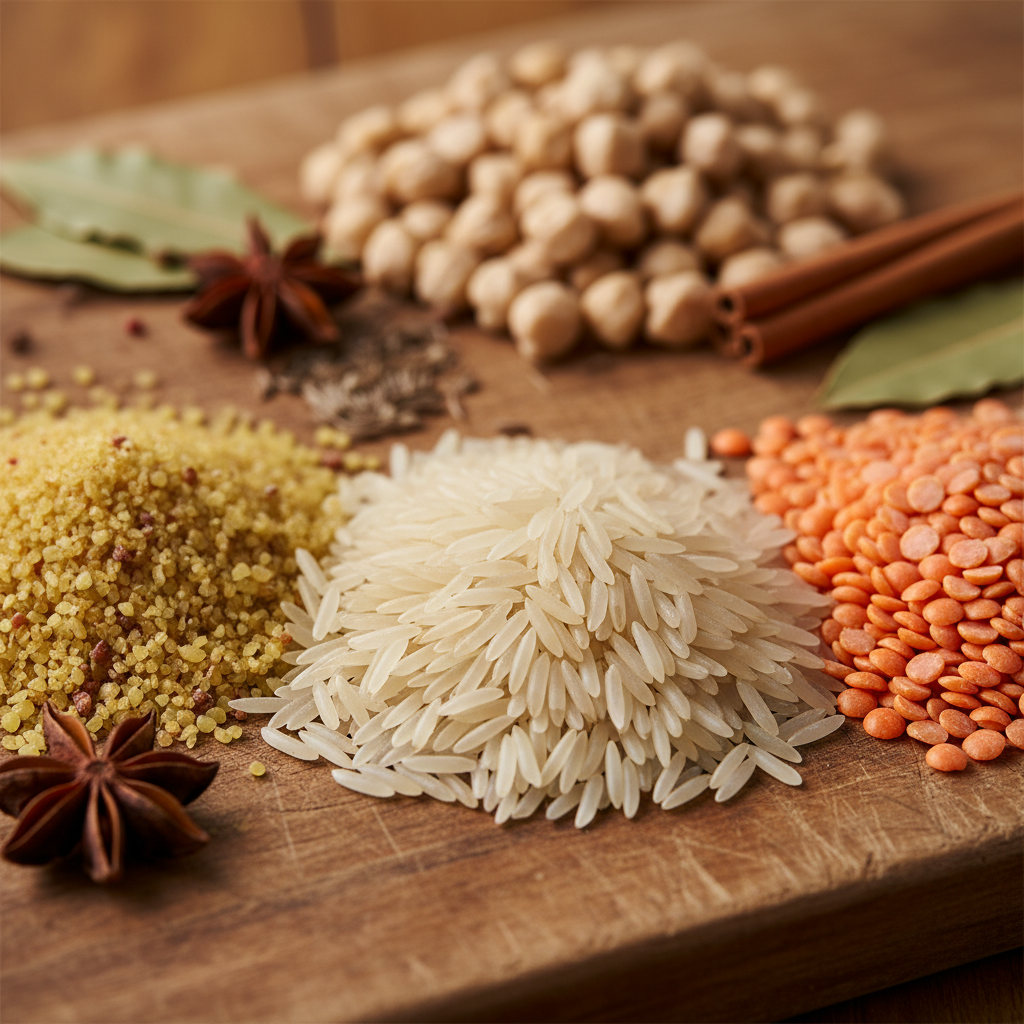
Grains and legumes are the unsung heroes of the Middle Eastern pantry, forming the hearty backbone of countless dishes. They offer sustenance, versatility, and an economical way to feed families.
- Rice: From the fragrant Basmati in a celebratory biryani to the everyday long-grain varieties in a simple pilaf, rice is indispensable. Jasmine and brown rice also find their place, offering different textures and nutritional profiles. It is a staple that transcends social strata, found on every table from humble homes to grand feasts.
- Bulgur Wheat: A cornerstone of Levantine cuisine, bulgur comes in coarse and fine varieties. The fine grain is essential for light and refreshing tabbouleh, while coarse bulgur is the star of hearty kibbeh and satisfying grain salads. Its nutty flavor and quick cooking time make it a perennial favorite.
- Lentils: These humble legumes are nutritional powerhouses. Red lentils disappear into creamy soups, while brown and green lentils form the base of comforting mujaddara – a dish that celebrates the simple harmony of lentils and rice. They embody the Prophet’s teaching of contentment with simple, nourishing foods.
- Chickpeas: Whether dried for soaking and cooking from scratch or conveniently canned, chickpeas are incredibly versatile. They are the heart of creamy hummus, crispy falafel, and countless stews and salads, offering protein and fiber in abundance.
- Couscous and Moghrabieh: While couscous is often associated with North African cuisine, it and its larger pearl counterpart, moghrabieh, are enjoyed across the region as light, fluffy sides, absorbing the flavors of accompanying stews and vegetables.
- Semolina and Vermicelli: Semolina is vital for making traditional sweets like basbousa or for thickening puddings. Vermicelli, thin pasta strands, often finds its way into rice dishes, lending an appealing texture and subtle sweetness.
Stocking these grains means we are always prepared to build a fulfilling meal, reflecting gratitude for the provisions Allah has bestowed upon us.
Legumes and Canned Goods: Versatility and Convenience
Beyond dried chickpeas, a well-stocked halal pantry includes a range of canned goods that offer convenience without compromising on flavor or halal standards.
- Canned Beans: Garbanzo beans (chickpeas again!), fava beans, kidney beans, and cannellini beans are ready-to-use solutions for quick stews, salads, and dips. Their presence ensures a hearty meal is always within reach.
- Canned Tomatoes: Diced, crushed, or as a rich paste, tomatoes are fundamental to the depth and color of many Middle Eastern sauces, stews, and braised dishes. Always choose varieties with simple ingredients, ensuring no haram additives.
- Tahini: This creamy sesame paste is more than just an ingredient for hummus; it’s a staple for sauces, salad dressings, and even a key component in certain desserts like halva. Its rich, nutty flavor is unique and adds an authentic touch to many dishes.
These shelf-stable items are a blessing, enabling us to prepare wholesome meals efficiently, a practice that aligns with the Islamic value of not wasting time or resources.
Spices, Herbs, and Seasonings: The Soul of Middle Eastern Cuisine
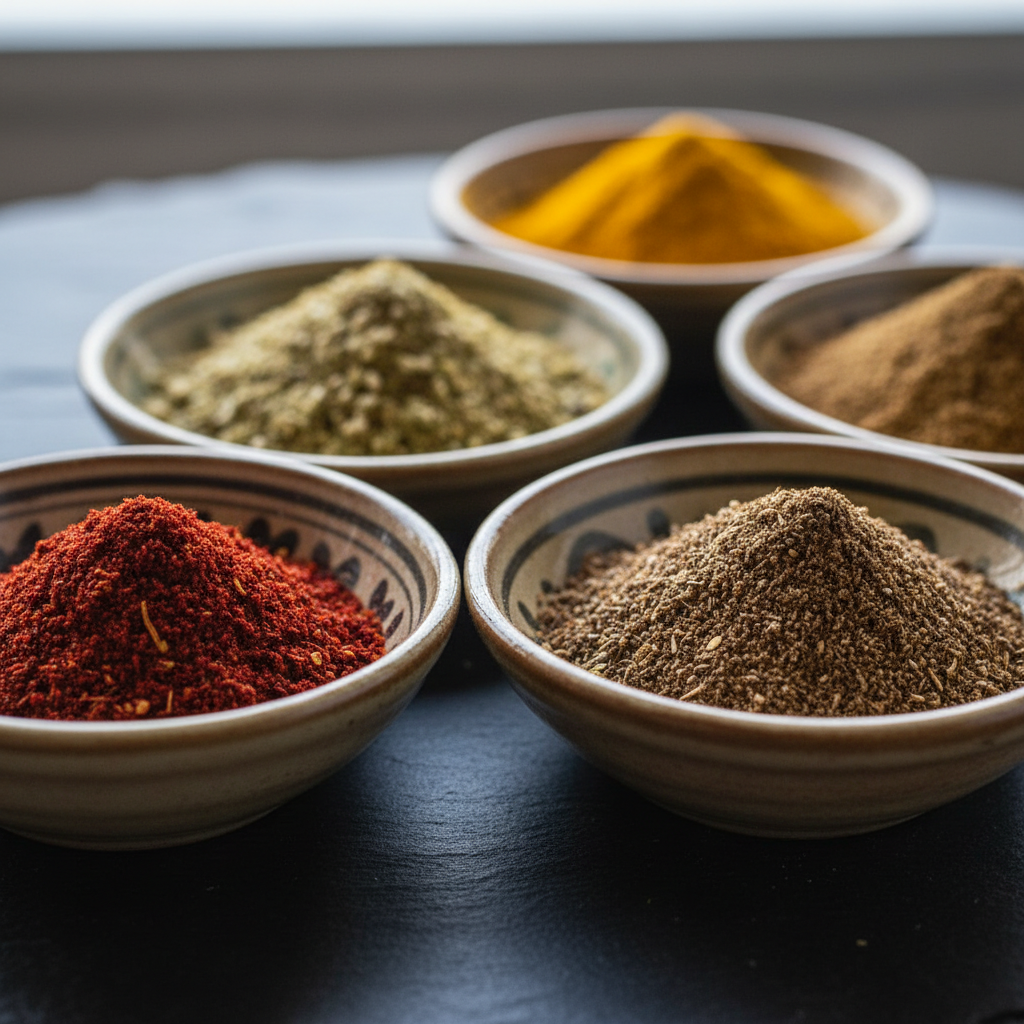
The true magic of Middle Eastern cooking lies in its aromatic spices. They are not merely flavor enhancers but storytellers, weaving tales of ancient trade routes and vibrant cultures. When sourcing, always prioritize high-quality, pure spices, verifying halal certification for any pre-blended mixes.
- Za’atar: Perhaps the most iconic blend, za’atar is a fragrant mix of dried thyme, sumac, sesame seeds, and often oregano. It’s sprinkled on labneh, mixed with olive oil for dipping pita, baked into manakish, or used to season roasted meats. Its earthy, tangy, and nutty profile is unmistakable.
- Sesame Seeds: Beyond their role in tahini, sesame seeds are used to adorn breads, pastries, and sweets, adding a delicate crunch and nutty flavor.
- Sumac: Derived from dried and ground berries, sumac offers a beautiful reddish hue and a distinct tangy, lemony flavor that brightens salads, grilled meats, and spreads.
Other essential spices include cumin, coriander, turmeric, paprika, cinnamon, and allspice – each playing a vital role in crafting the region’s diverse flavors. Using these spices is a beautiful way to appreciate the diversity of Allah’s creation and the richness it brings to our lives.
Oils, Vinegars, and Condiments: Elevating Every Bite
These liquids add depth, moisture, and a crucial layer of flavor to Middle Eastern dishes.
- Extra Virgin Olive Oil: Revered for its health benefits and delicate flavor, extra virgin olive oil is used generously for dressings, as a finishing oil, and in light frying. It holds a special place in Islamic tradition; the Prophet Muhammad (peace be upon him) said, "Eat olive oil and anoint yourselves with it, for it comes from a blessed tree" (Tirmidhi 1851). Sourcing from halal-certified producers is key to ensuring its purity.
- Pomegranate Molasses: This thick, tangy-sweet syrup, made from reduced pomegranate juice, is a marvel. It adds a unique depth to marinades, salad dressings (like fattoush), and stews such as fesenjan, balancing flavors beautifully. Pomegranates themselves are mentioned in the Quran as fruits of Paradise, signifying their blessings.
- Rose Water and Orange Blossom Water: These aromatic floral waters are primarily used in desserts, puddings, and syrups, infusing them with delicate, intoxicating fragrances that are quintessentially Middle Eastern.
The thoughtful use of these condiments elevates a simple meal to an exquisite culinary experience, reminding us of the intricate blessings in creation.
Fresh and Refrigerated Essentials: Vibrant Goodness
While dry goods form the foundation, fresh ingredients bring vitality and life to every dish. They are rotated frequently, ensuring optimal freshness and flavor.
- Aromatics and Herbs: Onions, garlic, and lemons are the holy trinity of Middle Eastern cooking, forming the flavor base for nearly every savory dish. Fresh parsley and cilantro are used generously as garnishes, in salads, and as core ingredients in many recipes, adding vibrant color and herbaceous notes.
- Dairy: Labneh (strained yogurt), plain yogurt, and traditional cheeses like akawi or halloumi are staples for mezze platters, breakfasts, and as accompaniments to meals. They offer creamy textures and tangy flavors.
- Natural Sweeteners: Honey, mentioned for its healing properties in the Quran, and various nut butters offer natural sweetness and healthy fats for breakfasts, snacks, and desserts.
These fresh items remind us of the continuous cycle of growth and provision from Allah, and the importance of consuming wholesome, fresh produce for our well-being.
Freezer Staples: Planning for Sustenance
A well-organized freezer is an ally in maintaining a halal kitchen, allowing us to store ingredients conveniently and prevent waste.
- Halal Meats: Ground beef, chicken, and lamb, all strictly halal-certified, are crucial proteins. These can be pre-portioned and frozen, ready for stews, kebabs, or roasted dishes. Shrimp also offers a quick and permissible seafood option.
- Frozen Vegetables: Items like okra, molokhia leaves, peas, and spinach are often harvested and frozen at their peak, preserving nutrients and flavor. They are perfect for soups, stews, and vegetable sides, extending the availability of seasonal produce throughout the year.
Thoughtful stocking of the freezer ensures that nourishing, halal-compliant meals are always within reach, simplifying meal preparation and reducing unnecessary trips to the store.
Beyond the Pantry: The Prophetic Touch of Dates
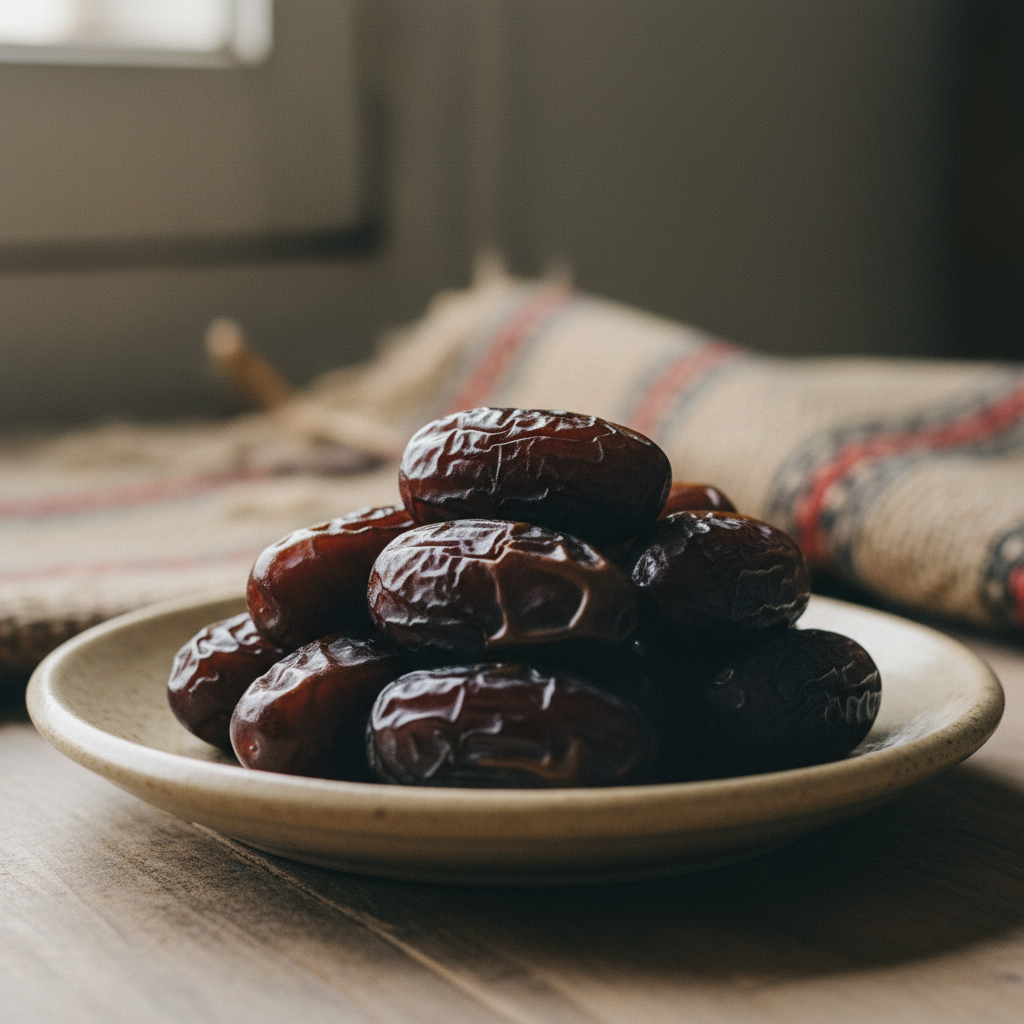
While not a typical pantry staple in the sense of a cooking ingredient for savory dishes, dates hold a profound spiritual and nutritional significance in Islamic tradition, making them an essential part of any Muslim home. The Prophet Muhammad (peace be upon him) himself recommended them, particularly for breaking fasts, symbolizing purity and immediate nourishment. He said, "He who eats seven Ajwa dates every morning will not be affected by poison or magic on the day he eats them" (Sahih al-Bukhari 5445). Dates, along with olives and pomegranates, are mentioned as blessed fruits in the Quran, reminding us of Allah’s abundant grace.
Keeping a stash of dates is not just about having a healthy snack; it is a way to connect with the Sunnah, to benefit from their natural sweetness and energy, and to receive blessings in our daily lives.
The Essence of Halal Living
Building a halal Middle Eastern pantry is more than a culinary endeavor; it is an act of worship. It fosters ethical eating, encourages productivity through simple, wholesome meals, and aligns our daily practices with the beautiful teachings of Islam, such as moderation, gratitude, and mindful consumption. Every time we reach for a grain of rice, a pinch of za’atar, or a drizzle of olive oil, we are reminded of the blessings of Allah and the rich heritage He has bestowed upon us.
Let our kitchens be testaments to our faith – places where pure ingredients transform into nourishing meals, where families gather in gratitude, and where the heart finds serenity in the simple, yet profound, act of living halal. May Allah bless our homes and our tables with abundance and barakah.