When we gather around a table, sharing the bounty of creation, we do more than just nourish our bodies. We connect with history, with heritage, and with the very essence of what it means to be human in communion with Allah’s blessings. The kitchen, particularly in Islamic tradition, is not merely a place of sustenance; it is a sacred space, a laboratory of love, where the ingredients chosen and the intention poured into each dish become an act of devotion. For us at Nooropolis, this understanding is paramount, guiding our choices from the market to the stove. Today, let us embark on a gentle journey into the heart of the Halal kitchen, exploring the essential pantry staples that form the backbone of delectable Middle Eastern cuisine, imbued with purity, health, and spiritual reflection.
The Philosophy of Purity: Halal Tayyib
At the core of our culinary philosophy lies the principle of Halal Tayyib – lawful and good. It is a concept beautifully articulated in the Quran: "O mankind, eat from whatever is on earth [that is] lawful and good (halal tayyib) and do not follow the footsteps of Satan" (Al-Baqarah 2:168). This verse is a profound directive, urging us not only to consume what is permissible in Islam but also what is wholesome, pure, and beneficial for our bodies and souls. It speaks to a holistic approach to food, where the source, the preparation, and the impact on our well-being are all considered.
For the Halal kitchen, this means rigorous adherence to Islamic dietary laws: avoiding pork, alcohol, and any haram animal derivatives. But it extends beyond mere prohibition, encouraging us to seek out ethically sourced items, prioritizing natural goodness, and embracing a plant-based foundation for health and piety. When we thoughtfully select our pantry staples, we are not just stocking shelves; we are laying the groundwork for a life nourished by Allah’s grace, fostering productivity, gratitude, and moderation in all our meals, be it iftar, suhoor, or daily sustenance.
Grains and Dry Goods: The Earth’s Enduring Embrace
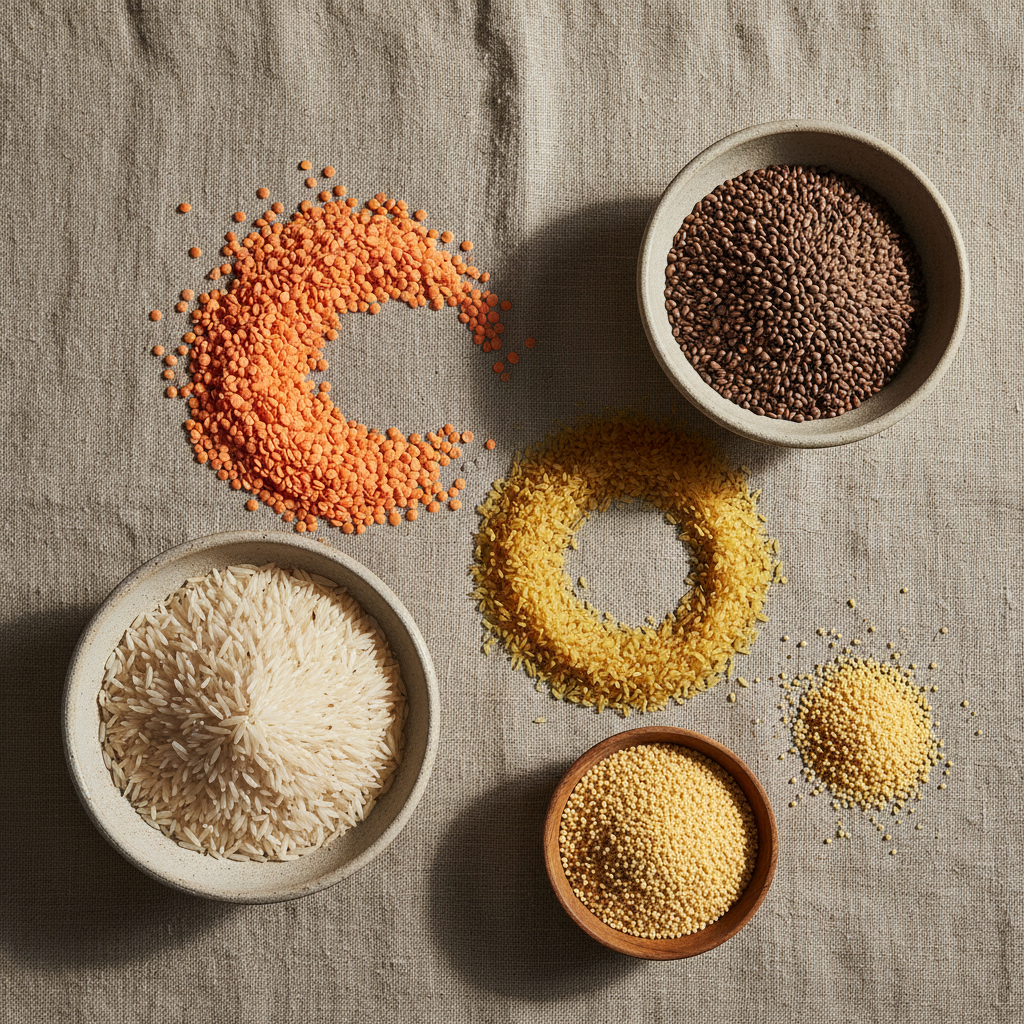
Our journey begins with the foundational elements – grains and dry goods that have sustained civilizations for millennia. These humble ingredients, often overlooked, are the quiet heroes of the Middle Eastern pantry, offering versatility, nourishment, and a canvas for countless flavors.
- Rice: From the long, fragrant grains of Basmati and Jasmine, perfect for pilafs and alongside stews, to the wholesome goodness of brown rice, a staple for many healthy meals.
- Lentils: Orange and brown lentils are indispensable. They transform into comforting soups, hearty stews, and savory mujadara, a beloved dish marrying lentils and rice.
- Bulgur Wheat: Coarse or fine, bulgur is the heart of tabbouleh, a refreshing parsley and tomato salad, and a key ingredient in many Kibe variations.
- Couscous and Moghrabieh: These tiny pasta pearls absorb flavors beautifully, serving as a light accompaniment to tagines or as a base for vibrant salads.
- Vermicelli Noodles and Dried Pasta: Used in rice dishes for added texture or to create quick, satisfying meals.
- Semolina, Quinoa, and Oats: For desserts, gluten-free options, or a wholesome breakfast, these round out a diverse pantry, catering to modern dietary needs while staying true to our roots.
These grains are not just food; they are threads connecting us to ancient agricultural practices and the enduring resilience of communities that have relied on them for generations.
Legumes and Canned Goods: Humble Powerhouses
No Middle Eastern kitchen is complete without a robust selection of legumes and canned goods, offering convenience without compromising on flavor or nutritional value. These items are the secret weapon for quick, nourishing meals.
- Canned Chickpeas (Garbanzo): The undisputed champion, essential for creamy hummus, crispy falafel, and enriching countless stews.
- Fava Beans: Crucial for foul medames, a beloved breakfast dish, offering protein and fiber.
- Kidney Beans, Black Beans, Cannellini, Butter Beans: Versatile additions to salads, hearty chili, or vibrant bean stews.
- Diced/Crushed Tomatoes and Tomato Paste: The bedrock of many sauces, stews, and soups, providing depth and tang.
- Tuna (Halal-certified): A convenient source of protein for salads or light meals, always ensuring it meets Halal standards.
These staples demonstrate how a well-stocked Halal pantry empowers us to create diverse, healthy meals, even on busy days, reflecting the prudence and resourcefulness encouraged in our faith.
Liquid Gold and Sweet Nectars: Oils, Vinegars, and Sauces
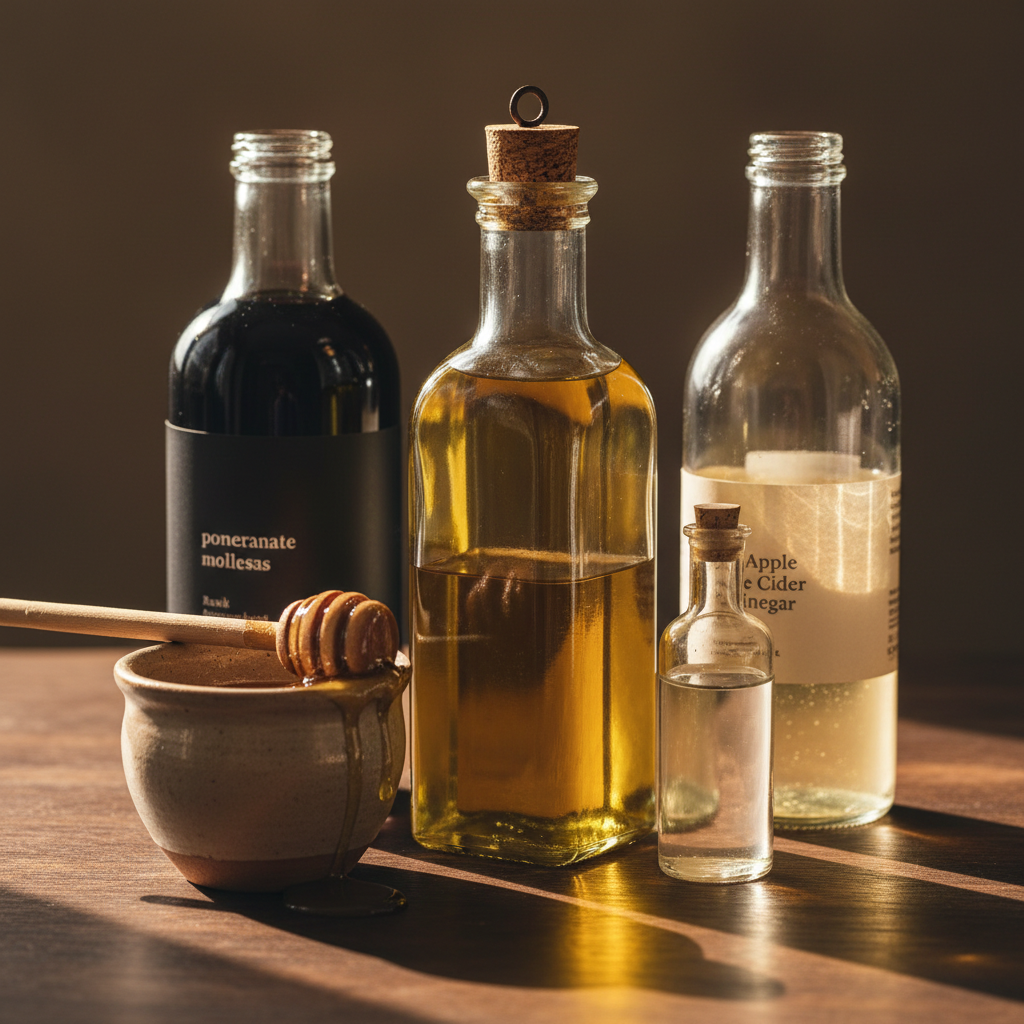
The liquids we choose are fundamental to flavor and health, often carrying profound significance within Islamic tradition.
- Extra Virgin Olive Oil: The "liquid gold" of the Mediterranean, it is revered not only for its culinary versatility but also for its blessed status. The Prophet Muhammad (peace be upon him) said, "Use olive oil as a medicine, for it comes from a blessed tree" (Sunan at-Tirmidhi 1851). It is indispensable for dressings, cooking, and a final drizzle over virtually any dish.
- Pomegranate Molasses: A thick, tangy syrup that adds a unique sweet-sour note to fattoush, stews, and marinades.
- Honey: A natural sweetener and a prophetic medicine, praised in the Quran. "In it is healing for people" (An-Nahl 16:69). It’s perfect for desserts, teas, or a spoonful of wellness.
- Nut Butters (Peanut/Almond): Versatile for breakfasts, snacks, or even enriching savory dishes.
- Rose Water and Orange Blossom Water: Delicate floral essences that impart an intoxicating aroma to sweets, drinks, and even some savory dishes, elevating them to an art form.
And let us not forget vinegar, another blessed food, about which the Prophet (peace be upon him) said, "The best food is vinegar" (Sahih Muslim 2050). Its sharp tang brightens salads and balances rich flavors, reminding us that sometimes, the simplest ingredients carry the greatest blessings.
The Soul of the Levant: Spices and Herbs
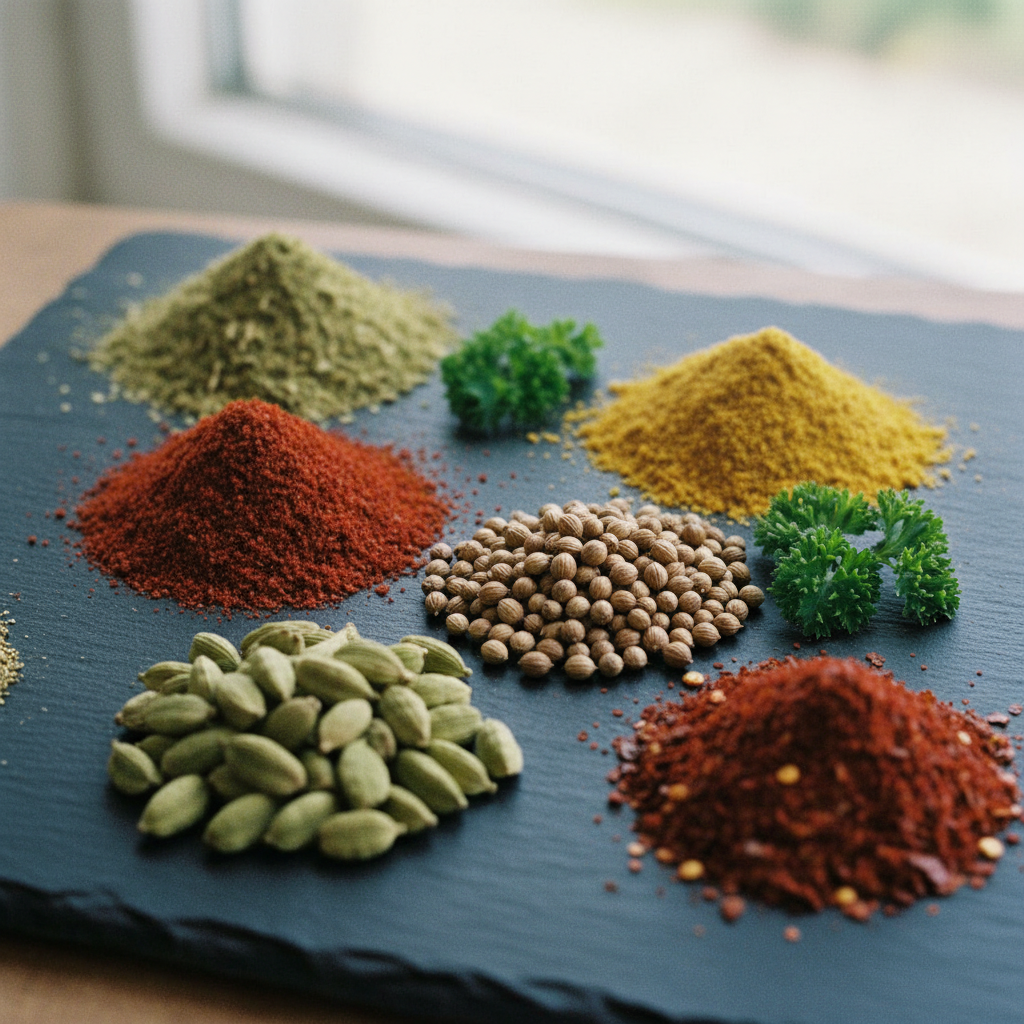
Spices are the very soul of Middle Eastern cuisine, transforming simple ingredients into a symphony of flavors and aromas. They tell tales of ancient trade routes and vibrant cultures.
- Za’atar: A fragrant blend of wild thyme, toasted sesame seeds, and sumac. It’s fantastic sprinkled on labneh, olive oil, or baked onto manakeesh (flatbread).
- Sumac: With its tangy, slightly sour, and fruity flavor, sumac is a key ingredient in fattoush and a beautiful garnish for grilled meats and hummus.
- Cumin and Coriander: These warm, earthy spices are foundational to nearly every savory dish, from stews to falafel.
- Cardamom: Its distinctive sweet and floral notes are essential in Arabic coffee, as well as many desserts and savory rice dishes.
- Aleppo Pepper and Harissa Paste: For those who appreciate a gentle warmth and complex heat, these provide a nuanced spice without overwhelming the palate.
To infuse our cooking with these spices is to engage in a sensory devotion, a recognition of the diverse gifts Allah has placed upon the earth for our enjoyment and healing.
From Earth’s Bounty: Fresh Produce and Refrigerated Essentials
While dried goods form the backbone, the vibrant freshness of seasonal produce and select refrigerated items brings life and color to our plates. These are the ingredients that elevate a simple meal into an experience.
- Onions and Garlic: The aromatic foundation of nearly all savory Middle Eastern dishes.
- Potatoes: Versatile and comforting, used in stews, roasts, and accompanying meals.
- Lemons: A splash of fresh lemon juice is paramount, brightening flavors in salads, hummus, and marinades.
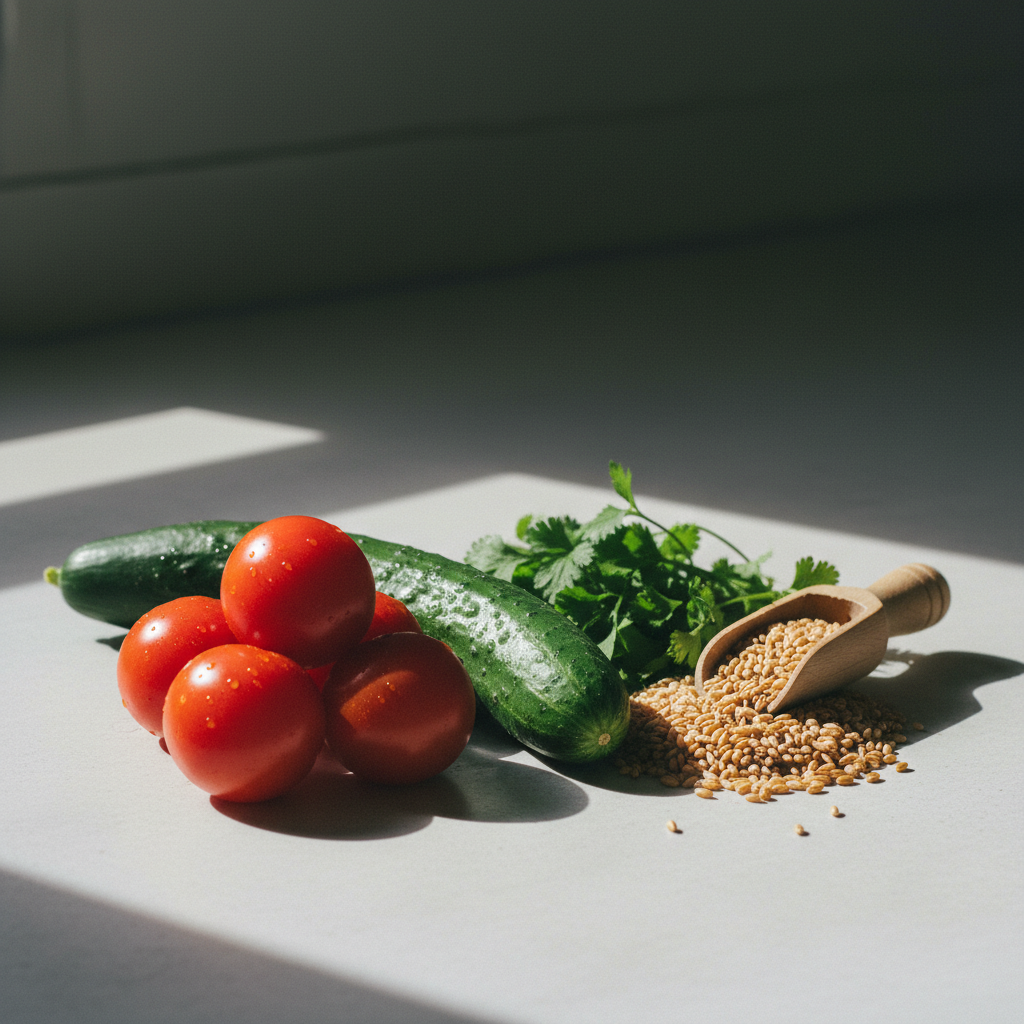
- Tomatoes and Cucumbers: Essential for fresh salads, offering crispness and succulence.
- Cilantro and Parsley: Fresh herbs are non-negotiable, lending vibrant color and unparalleled freshness to tabbouleh, garnishes, and flavor profiles.
- Labneh and Yogurt: Tangy, creamy dairy products used in savory dishes, dips, and as a cooling accompaniment to spicier fare.
- Eggs and Butter: Everyday essentials for baking, cooking, and breakfast.
- Halal Cheeses (Akawi, Halloumi): Salty, firm cheeses that are perfect for grilling, frying, or incorporating into pastries. Always ensure they are certified Halal.
The freshness of these ingredients reminds us of the continuous cycle of creation, and our role in partaking of its goodness with gratitude.
Wholesome Protein: Freezer Staples
For those who include meat in their diet, the freezer becomes a vital component of the Halal kitchen, ensuring that ethical and permissible proteins are always on hand.
- Halal Ground Beef and Chicken (Breasts, Thighs): Certified Halal meats are crucial. They form the basis of many stews, grilled dishes, kibbeh, and flavorful main courses.
- Shrimp: A permissible and versatile seafood option for quick, healthy meals.
- Frozen Vegetables (Okra, Molokhia, Peas): Convenient for thickening stews, adding greens to rice dishes, or providing quick side dishes when fresh options are unavailable.
The emphasis here, as always, is on the Halal certification. Our commitment to purity extends to ensuring that all animal products consumed align with Islamic principles, reflecting our respect for life and the blessings bestowed upon us.
Cultivating Your Halal Haven: A Step-by-Step Approach
Building a well-stocked Halal pantry doesn’t happen overnight, nor does it require a massive initial outlay. We are encouraged to be mindful and resourceful. Begin gradually, focusing on versatile items that form the core of many dishes. Rice, lentils, extra virgin olive oil, and a selection of essential spices like za’atar and cumin are excellent starting points. These humble beginnings will enable you to prepare countless budget-friendly, wholesome Halal meals.
Embrace whole foods, seeking ingredients that are as close to their natural state as possible. This aligns not only with health consciousness but also with the spirit of Tayyib. Let your kitchen be a place of discovery, where new flavors are explored, and traditional recipes are honored. It is a space where the practical act of cooking merges with the spiritual act of worship, a testament to Allah’s abundant generosity.
Conclusion: The Blessed Kitchen
The Halal kitchen is more than just a collection of ingredients; it is a manifestation of our faith, our heritage, and our deep connection to the earth and its Creator. It is a space where love is kneaded into dough, care is simmered into stews, and gratitude is the most cherished spice. As you stock your pantry with these essential staples, remember the wisdom of our Prophet (peace be upon him) and the divine guidance of the Quran. May your kitchen be a source of continuous blessings, nourishing bodies, enriching souls, and strengthening the bonds of family and community, all in the blessed name of Allah. From the heart of Nooropolis, we pray that your culinary journeys are filled with purity, peace, and profound appreciation for every gift.